
Many companies see complex AI hacking tools as a major threat. But the real danger for medium-sized businesses lies in everyday use. Anthropic, the company behind the chatbot Claude, is developing models like 'Mythos.' These could accelerate hacking. However, for most companies, simple errors in AI use are much more dangerous.
This is important because companies can unknowingly become an easy target for attackers. If employees use AI tools without verification, important company data can leak. This costs money and damages reputation. It can also jeopardize entire business models. The risk lies not in science fiction scenarios, but in daily office work.
The tech world is talking about Anthropic's new AI models that could make cyberattacks more effective. At the same time, internet security experts warn: medium-sized companies are overlooking the most obvious dangers. Companies often use AI tools without being aware of data leaks and security vulnerabilities. The gap between perceived and real danger is growing.
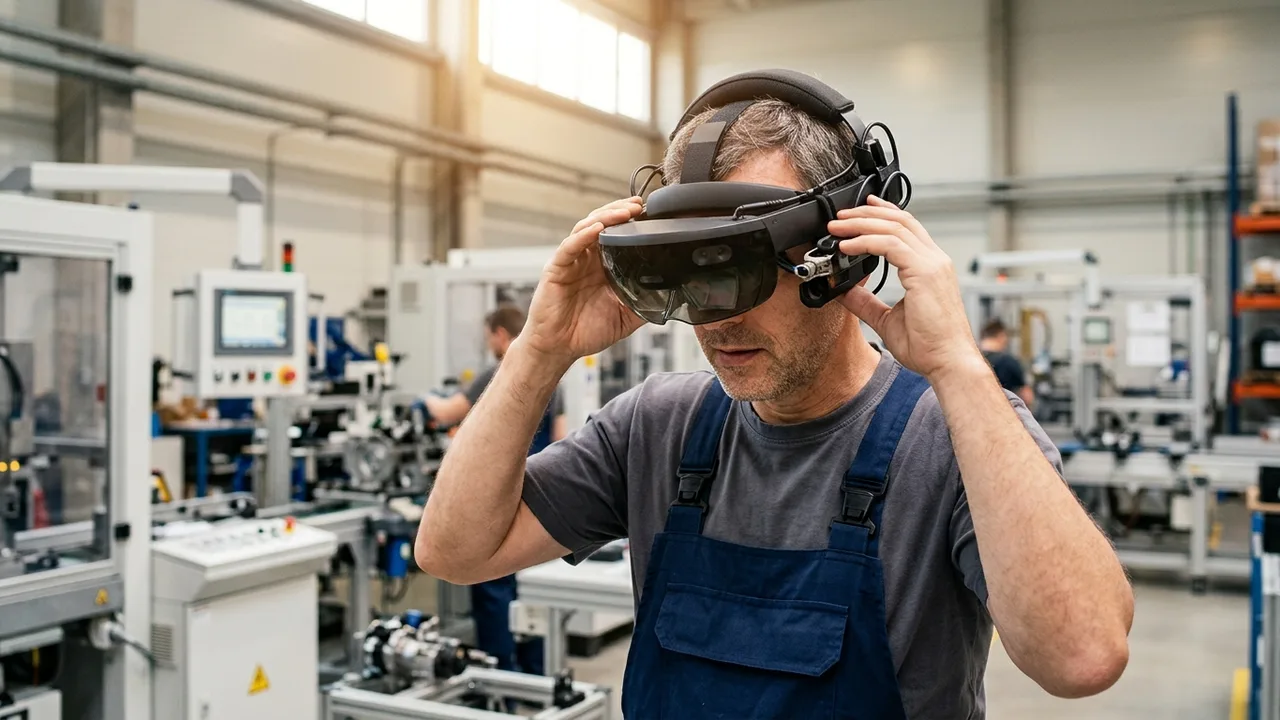
For employees, this means: their personal data and employer data can unintentionally end up in AI models. If you use AI at work without knowing clear rules, you risk your reputation. Your company's reputation is also at risk. It's like an intern unintentionally sharing company secrets because no one trained them.
Companies face a big problem: they need to review their workflows. Those who do not clearly regulate which AI tools may be used when and how make their company vulnerable. Customer data, strategies, and financial information could leak. This is a direct financial risk and a major competitive disadvantage. Companies must act now to avoid paying high damages later.
The opportunity lies in becoming more secure through conscious AI use. Companies can now establish clear rules for their teams. They can train their employees. Those who know how to use AI safely can leverage its benefits without major risks. This strengthens security and trust in digital changes.
The biggest risk is that companies do not take the danger seriously. Many companies underestimate the risk. They overestimate the complexity of AI attacks. They focus on potential scenarios instead of closing simple gaps. Added to this is the 'human-in-the-loop' error: if people blindly trust AI results without checking them, errors and security vulnerabilities creep in unnoticed.