
British companies are heavily using Artificial Intelligence (AI) to improve. A new report from Google UK shows this could add up to £44 billion to the economy. But one problem is significantly hindering this progress.
This imbalance is a real problem. Companies spend a lot of money on AI. But they don't use its full potential because employees can't operate the tools correctly. It's not just about efficiency, meaning getting things done faster. Those who don't train their people risk them falling behind. Or they might operate expensive AI systems incorrectly. This jeopardizes competitiveness, meaning the ability to compete in the market.
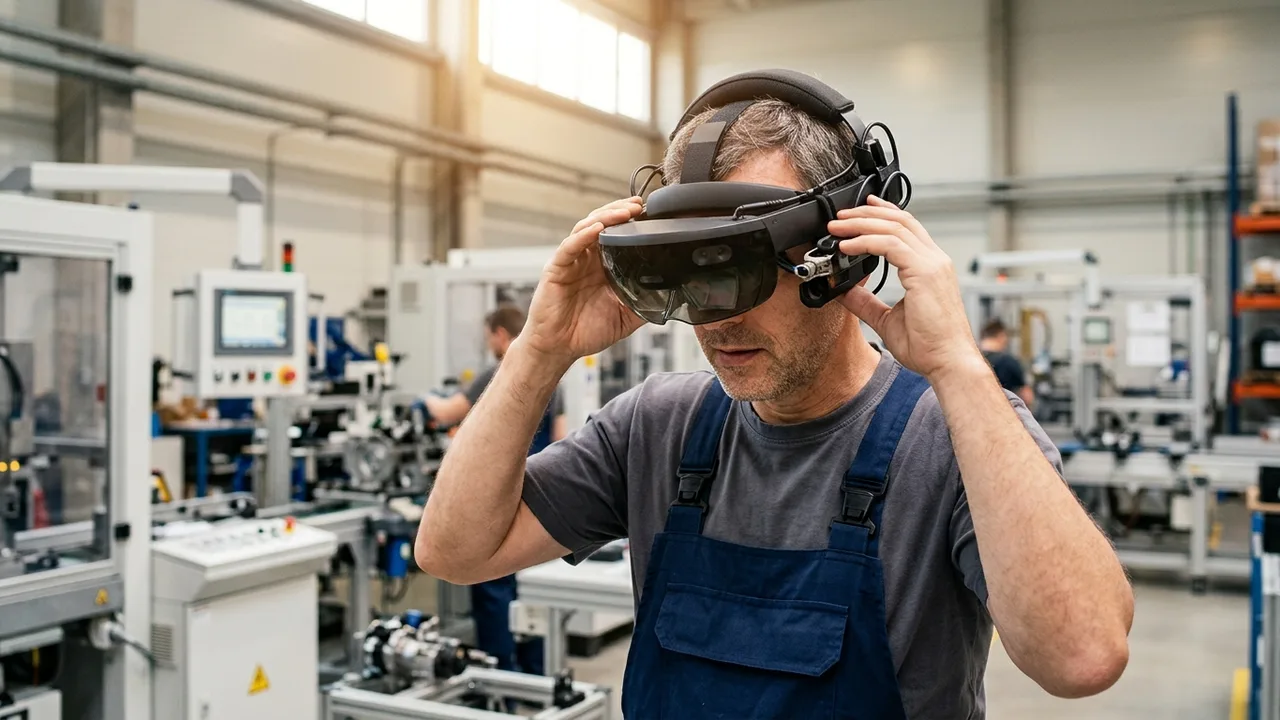
Google has published its latest economic report for the UK. This report shows that British companies are increasingly using AI technologies. The analysis indicates a significant boost in productivity. Productivity means more work is done in less time. However, the report also reveals a large gap: only 10% of companies train their employees in using these new AI tools. This means nine out of ten companies leave their employees to fend for themselves.
For you as an employee or freelancer, this means you need to develop your AI skills yourself. If your employer doesn't offer training, you must educate yourself. Those who are familiar with the new AI tools have an advantage in the job market. Those who wait quickly fall behind. There is a risk that tasks you could have managed yourself will be automated.
Companies that don't train their employees not only forgo productivity. They also create a risk for the quality of their data and compliance with rules. AI tools operated by untrained personnel can make mistakes. They can provide incorrect information or cause security vulnerabilities. In the long term, companies that do not invest in their employees will lose their connection to the market. This means they lose real money.
The opportunity lies in closing the productivity gap. Companies that now invest in comprehensive AI training can gain a real advantage over the competition. For individuals, it's an opportunity to position themselves as an AI expert. This opens up new career paths. It makes you indispensable while others are still learning.
The biggest risk is the productivity gap, meaning the gap in work performance. If only 10% of companies provide training, 90% remain below their potential. This slows down not only individual companies but the entire economy. In addition, the risk of operating errors and incorrect AI results increases. This happens when employees do not understand the limits and possibilities of the tools. This can lead to costly mistakes and damage to reputation.