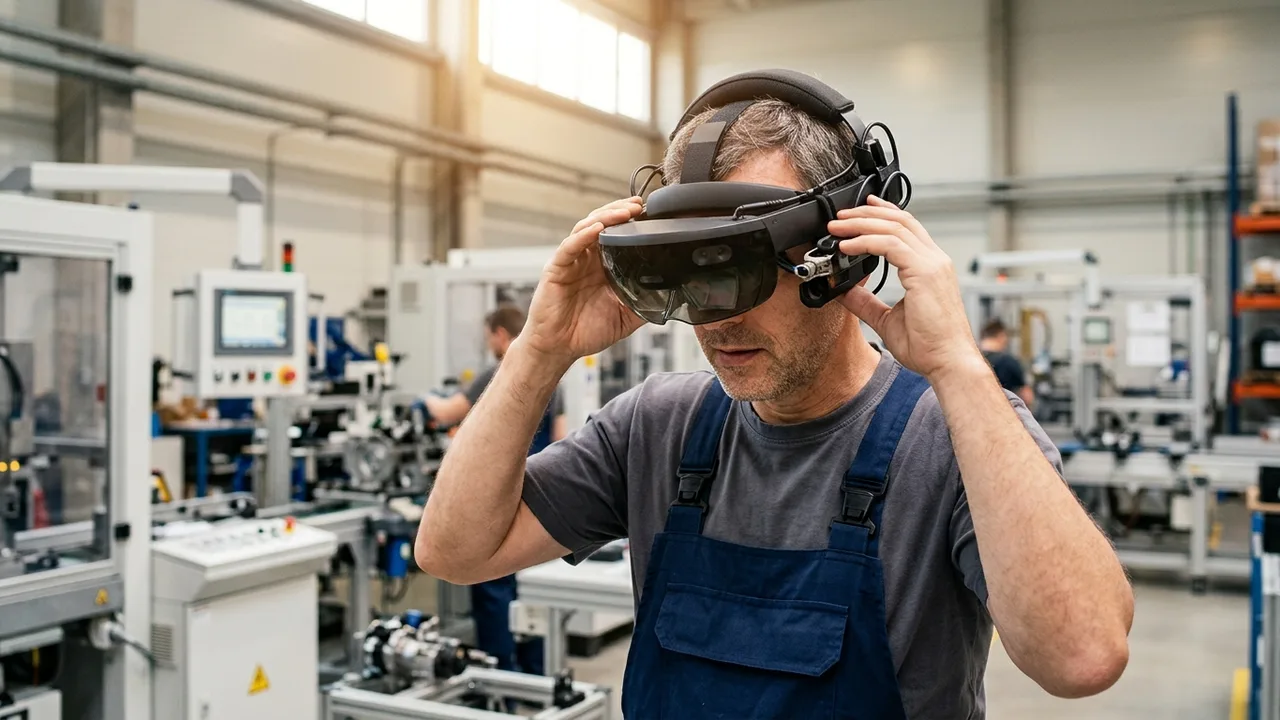

The job market is changing fast. This particularly affects young people just starting their careers. Many typical entry-level jobs that once paved the way into companies are disappearing. Artificial intelligence (AI) performs routine tasks more efficiently than humans. Therefore, these jobs are becoming fewer.
This is important because AI is not just changing existing jobs. It also strongly influences how the next generation finds work. If beginners cannot find a job, they can be left behind in the long term. There is a power shift: The normal path from university to a career is changing. This directly affects thousands of young people.
A new report from t3n.de warns: Companies are increasingly using AI systems. This costs beginners, in particular, many opportunities. Tasks like data sorting, simple analyses, or customer service were often given to young talents. Now, AI systems are taking over these tasks. This forces companies and young employees to adapt quickly.
For you as an entry-level professional, this means your resume and skills must change. Simple tasks you could quickly learn before are now done by a machine. You must develop new skills that AI cannot replace. Examples include creativity, strategic thinking, problem-solving, or emotional intelligence. Those without these skills will find it harder to get a job.
Companies must rethink. If the first jobs disappear, there will be a lack of new talent. This new talent could later rise to leadership positions. Companies must find new ways to foster young talent. This includes different internship models or mentoring programs that integrate AI skills early on. Otherwise, there is a risk of a shortage of skilled workers. This shortage will intensify in the coming years.
Despite the difficulties, new opportunities are also emerging. Those who engage with AI early can work as an 'AI translator.' This person connects technology and specialized departments. The development, maintenance, and ethical monitoring of AI systems also create new professions. So, there are new areas for those willing to adapt and learn throughout their lives.
The biggest risk is that many young people cannot keep up with this development. Education systems and companies are not reacting fast enough. Without targeted retraining and adapted curricula, entire generations of beginners could struggle to find suitable positions. This leads to frustration and a loss of potential for the economy.