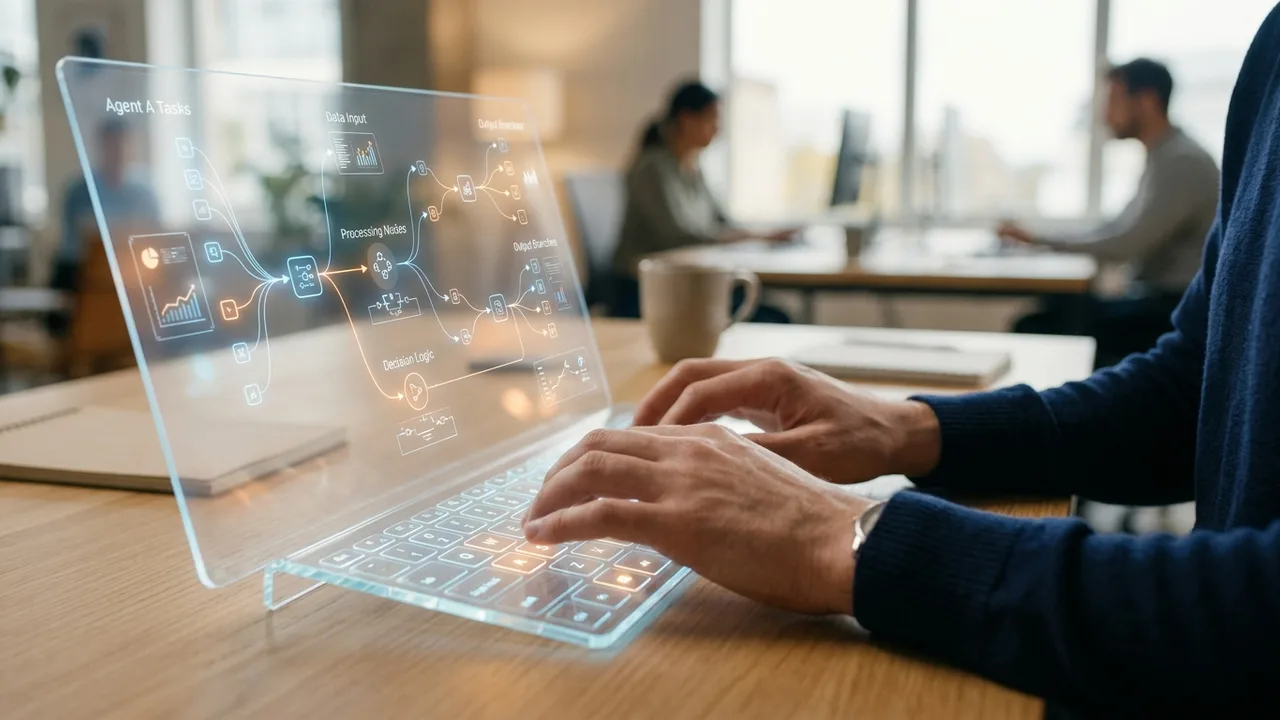
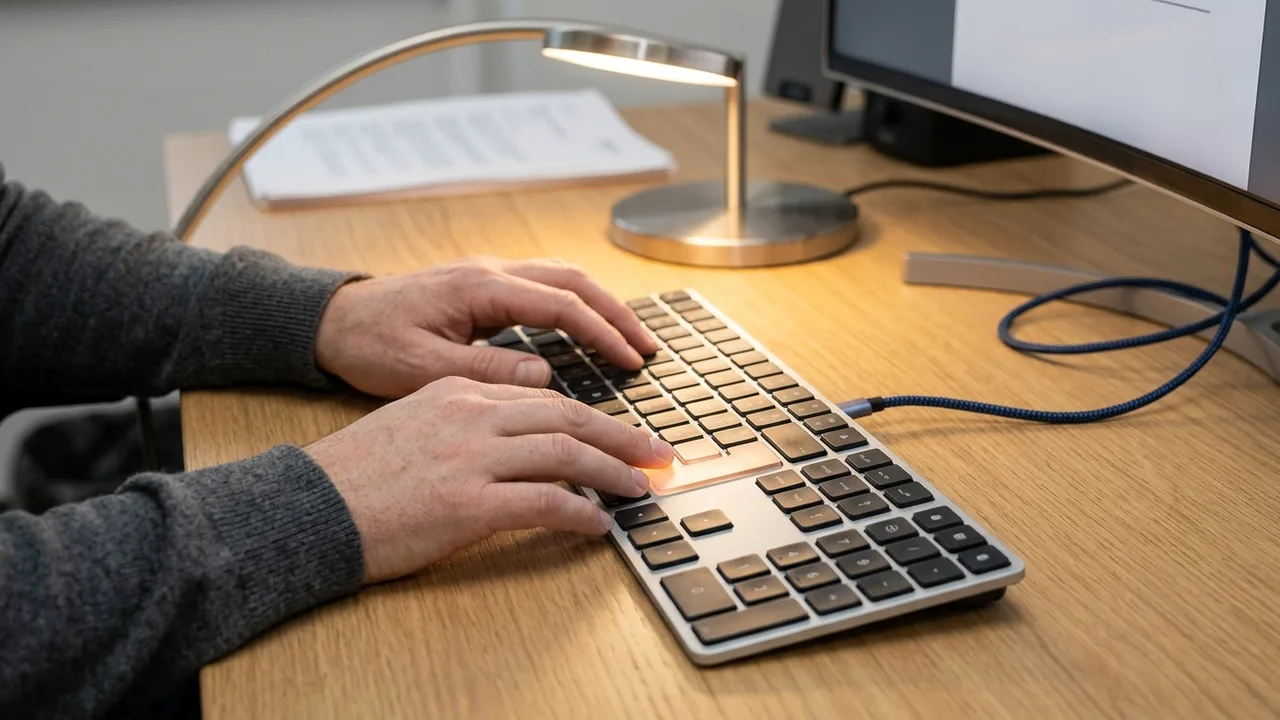
OpenAI, known for ChatGPT, is entering the hardware world for the first time. The company has introduced a special keyboard. This keyboard is intended to significantly change programming with Artificial Intelligence (AI). However, only a few selected individuals will be able to use this innovation. This raises important questions.
This step by OpenAI is more than a hardware experiment. It shows that leading AI companies want control over both software and hardware. They want to define the physical interface to AI themselves. Those who still use normal tools today will soon feel a major change in their workflow. It's about who sets the rules for tomorrow's digital work. It's about controlling the entire system, from the AI program to the input device.
OpenAI has showcased its own hardware. It is a keyboard specifically developed for its AI programming tool, Codex. The company presented a prototype. This prototype aims to improve human-AI collaboration in programming. A broad sale is not planned for now. The keyboard will initially only be given to a few developers to gather feedback.
For freelancers, students, and private developers, this keyboard could promise more power. Complex programs could be created with simple key commands. Errors could be found faster. However, exclusive access means that many cannot use these advantages. A digital divide is created. This separates those who can use the best tools from those who have to wait.
Companies, especially software firms and tech startups, face a challenge. If OpenAI's keyboard truly makes programming faster, it could be a significant advantage. At the same time, there is a risk of vendor lock-in. This means that anyone who uses this special hardware becomes firmly tied to one provider. This can create long-term costs and dependencies. These dependencies are difficult to resolve later.
The keyboard offers the chance to improve human-AI collaboration in programming. Developers could complete difficult tasks faster. They could focus on more creative solutions. The AI would handle repetitive tasks. For OpenAI, it is a way to bind users more closely to itself. This makes its own software even more important.
The biggest risk is exclusive access. Such a keyboard could lead to a two-tier society among developers. Users could also become alienated from normal programming environments. Dependence on a single provider for important hardware is also a risk. Companies should view this critically, in case prices rise or service deteriorates.