OpenAI, the company behind ChatGPT, is now developing its own chips for Artificial Intelligence (AI). Together with Broadcom, they are introducing the 'Jalapeño' processor. This chip is intended to form the basis for the next generation of language models.
This step changes the power in the AI industry. Until now, AI companies were heavily dependent on external chip manufacturers like Nvidia. Nvidia's powerful graphics processing units (GPUs) are expensive and often hard to get. With its own chip, OpenAI can lower the cost of computing power. OpenAI can also better adapt its models to the hardware. This could extend OpenAI's lead. It makes competition harder for other AI companies.
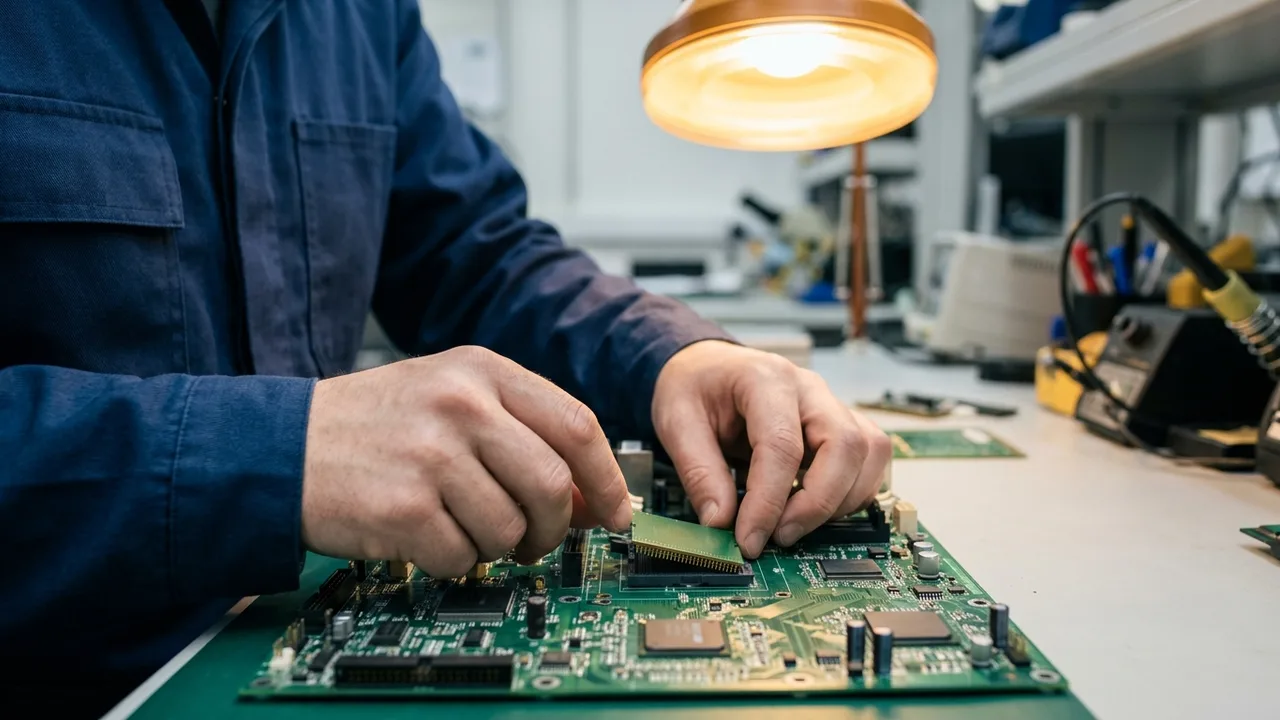
OpenAI has introduced its first proprietary AI processor with Broadcom. The chip is called 'Jalapeño'. It is specifically designed for AI servers. It is an ASIC (Application-Specific Integrated Circuit). This means the chip is optimized for a specific task. This task is the training and operation of large language models. The announcement was made on Wednesday. It shows that OpenAI wants more control over its entire AI infrastructure.
For you as a user, this means: AI services could become cheaper and faster. If OpenAI saves server costs, subscriptions like ChatGPT Plus could become cheaper. Or they could offer more features. Your favorite AI applications could also run better. The models work more efficiently on customized hardware. This step makes AI technology even more widely accessible.
Companies that use OpenAI's AI solutions can benefit. Companies that develop large language models themselves also benefit. Its own chip allows OpenAI to reduce infrastructure costs. This can lead to cheaper access via application programming interfaces (APIs). Or it leads to more powerful services. Companies that had high costs for AI computing power could be relieved. At the same time, other AI providers must take similar steps to keep up.
The biggest opportunity lies in controlling costs and optimizing everything. Proprietary chips enable OpenAI to perfectly align hardware and software. This leads to more performance per watt. It reduces the high energy costs. These costs arise during the training and operation of large AI models. For the entire industry, this could promote the development of specialized AI hardware. It also reduces dependence on a few providers.