
Meta, the company behind Facebook and Instagram, has ended a controversial practice. It has stopped monitoring its employees for Artificial Intelligence (AI) training. This decision is a direct response to internal protests. Employees had expressed concerns about potential data leaks.
This halt is an important sign. It shows that even large tech companies like Meta cannot do anything they want with personal data. For you as a user or employee, this means you can demand more control over your digital footprint. It is a success for the protection of your data. It sends a clear signal to the industry. Companies must rethink the limits of data collection for AI training.
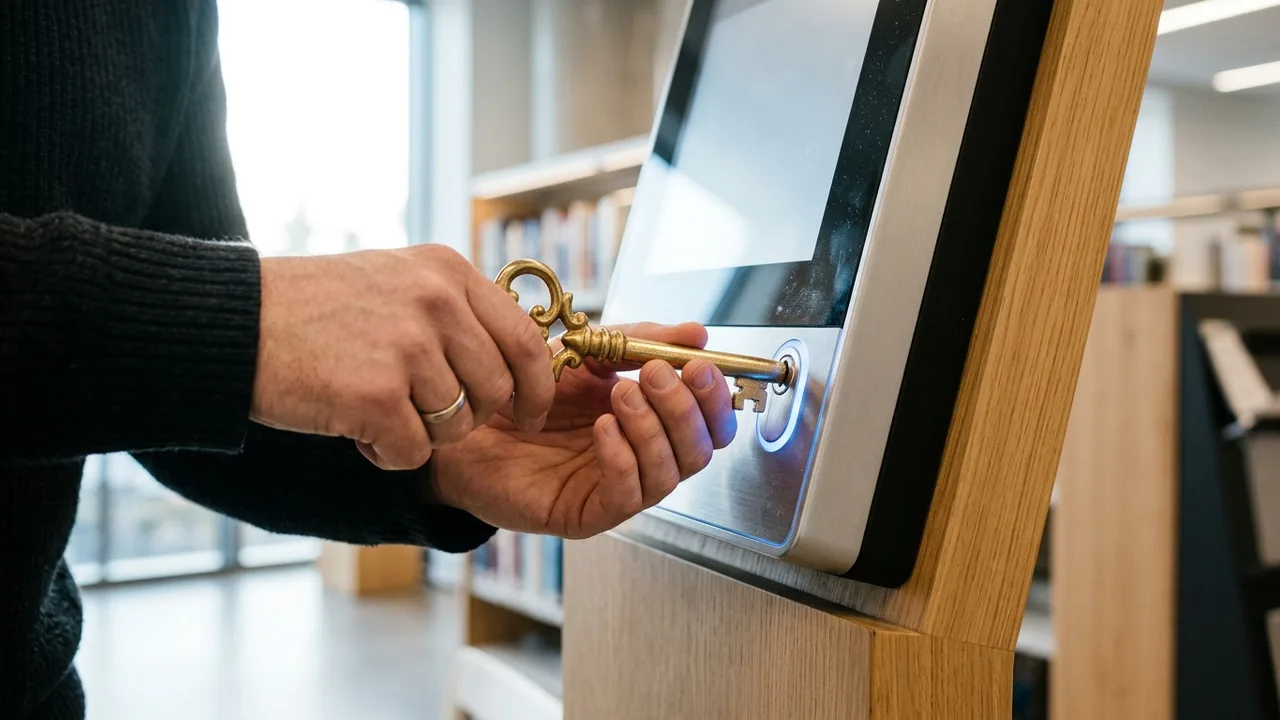
The major tech group Meta has stopped recording its employees' keystrokes and screen content. These data were intended to improve Meta's Artificial Intelligence (AI). The halt came after employees internally raised significant concerns. They protested against this monitoring. The main reason was worries about a data leak. Such a leak could reveal confidential information.
For you as a private individual, who might also work in a company, this is important news. It strengthens the position of employees. It is about protecting their personal work data. The news reminds us: Even in your own job, you should check what data is being collected. You should also look at how this data is being used. This gives you support to talk about your rights in the workplace.
Companies must now examine more closely how they train their Artificial Intelligence (AI). The Meta case shows: Ignoring data protection concerns creates internal discontent. It can also damage the company's reputation. This forces companies to develop open and fair rules for AI data collection. Those who want to use data for AI must clearly state: What is being collected? How is it being collected? And why is it being collected? This way, trust from employees and customers is maintained.
This development offers an opportunity. Companies can set new standards for fair Artificial Intelligence (AI) development. Companies can now show: They build innovative AI and take data protection seriously. This creates trust and a better work culture. It is an opportunity to strengthen control over personal data in the workplace. Models can also be developed that use less intrusive training methods.