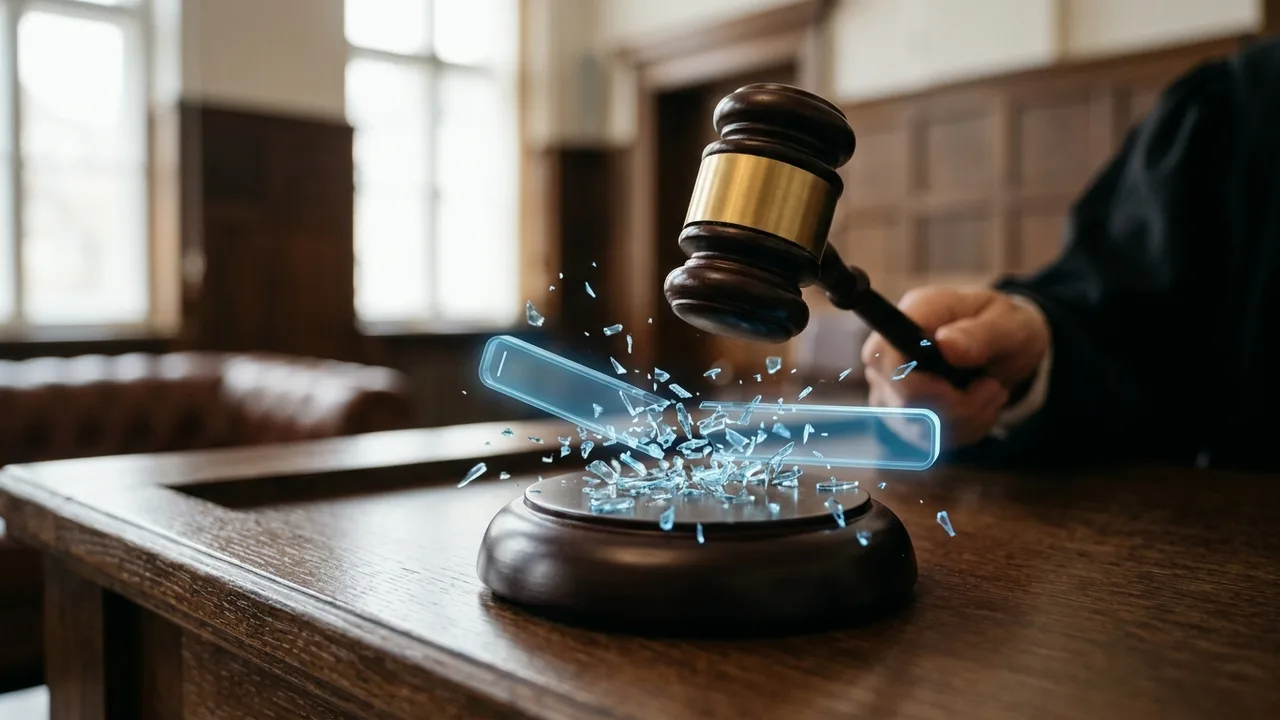
Google must be held liable for errors in its AI overviews. A German court has decided this. This ruling is important. It determines who bears responsibility. This applies when Artificial Intelligence (AI) provides false information. It is a clear signal to all major tech companies.
This ruling is a real power shift. It moves responsibility directly to tech companies. These companies use AI models on a large scale. Previously, it was often unclear who was accountable for fabricated AI answers. Such fabricated answers are also called 'hallucinations.' Now there is a clear line: the operator of the AI is liable. This strengthens user rights. It forces companies to scrutinize their AI systems even more closely.
A recent ruling in Germany has redefined the liability question for Artificial Intelligence (AI). It states that Google is responsible for errors in the overviews created by its AI. The well-known security expert Bruce Schneier commented on this. He said AI agents are to be treated legally like employees. They act on behalf of a company. So, if Google uses an AI that spreads nonsense, Google is liable for it. This is just like human errors. The source for this is a post on Simon Willison's Weblog from June 25, 2026. This post refers to a German court decision.
For you as a normal user, the ruling means more protection and security. If you rely on information from Google's AI overviews and it is incorrect, you can hold Google accountable. This applies, for example, to health information or legal advice. It also applies to product recommendations. The fear of serious misinformation from AI decreases. Companies now have a greater interest in accuracy. Your digital everyday life becomes a bit safer.
For companies that develop or use AI systems, the pressure increases enormously. They must now ensure that their models do not produce false or harmful content. This particularly affects generative AI. This is AI that creates texts or images. It is about secure processes and good quality control. Companies like Google could be forced to scrutinize their AI algorithms even more strictly. They may need to incorporate more human controls before information goes online. This can increase costs and development time. However, it also secures the good reputation of the companies.
This clear liability regulation also creates new opportunities. Companies that offer particularly secure and tested AI models could gain an advantage over competitors. A market for AI testing and quality assurance is emerging. This is called 'AI audits.' In addition, the ruling could drive the development of 'explainable AI.' With this type of AI, decisions are transparently traceable. This builds trust. It opens doors for new business models in AI security and compliance.