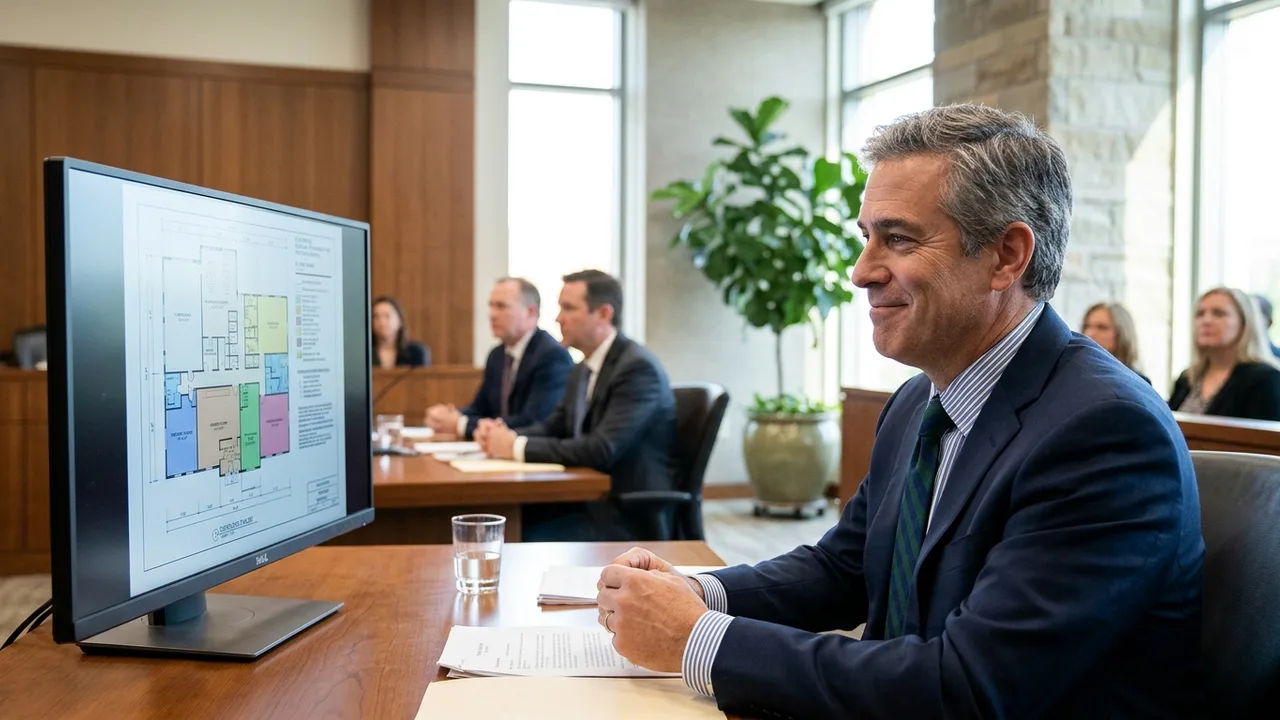
Elon Musk has sued OpenAI and its CEO Sam Altman. This is a major dispute over the future of Artificial Intelligence (AI). At the center is lawyer Bill Savitt. He has already defeated Musk twice in other cases. This legal battle could change the entire AI industry. It aims to clarify who actually owns AI.
This trial is more than a dispute among rich people. It's about controlling the most important technology of our time. If Musk wins, the sale of AI programs like ChatGPT could change significantly. If he loses, OpenAI will remain a leading company for commercial AI. For all of us, this means: The question of how open and non-profit the development of super-AI remains largely depends on this case. It also shows how much individual key figures influence an entire industry.
Elon Musk accuses OpenAI of abandoning its original goal. He says the company is now pursuing financial goals. But it should be developing AI for humanity. OpenAI, led by Sam Altman, has since brought in a strong lawyer. It is Bill Savitt, a top lawyer from Wachtell, Lipton, Rosen & Katz. Savitt is known for successfully defeating Musk in disputes over Tesla and Twitter. Musk sued OpenAI in March 2024. The court hearing is ongoing.
For users of AI products like ChatGPT, the outcome of the trial could have major consequences. If OpenAI has to make its programs more open, it could mean more insight. It could also lead to cheaper or even free access to advanced AI. If the current course is confirmed, access to powerful programs will remain expensive. It would then continue to be through subscriptions or corporate licenses. This directly influences how we as private individuals can use AI and what new developments reach us.
Companies face great uncertainty. Many companies are investing a lot of money to integrate OpenAI programs into their products. A ruling for Musk could significantly change the licensing terms and availability of these programs. The risk of being dependent on one provider (lock-in) would increase. This happens when conditions suddenly change. Companies might have to rethink their plans for AI use. They would have to examine how to react to possible changes in costs, licenses, and access.
The legal dispute also offers opportunities. A possible dissolution of the existing structures could pave the way for more open-source software projects. Smaller companies and startups could benefit from more open access to AI technology. This would promote competition and accelerate new developments. It could also lead to other AI programs gaining more traction. These would then not be controlled by a single large company.