Open-source AI models are language models whose blueprint and code anyone can view, use, and modify. These models are improving very quickly. Experts expect them to be as good as the best models from OpenAI or Anthropic in just a few months. This changes the entire AI industry. It forces us to rethink our plans for using artificial intelligence.
This development is important because it redistributes power in the AI world. Until now, large tech companies controlled the market with their closed systems. If open-source models become just as good, companies and individuals will have a real choice. It's about control, costs, and avoiding dependence on a single provider (lock-in effect). Ignoring this risks creating dependencies. These dependencies can become expensive later.
Experts assume that freely available open-source models will be as good as top models in a few months. These include models from OpenAI, like ChatGPT, or from Anthropic, like Claude. This assessment comes from the rapid progress in the open-source community. Developers worldwide collaborate there on improvements. This means the technical difference between open and closed systems is rapidly shrinking. Soon, this difference will be barely noticeable.
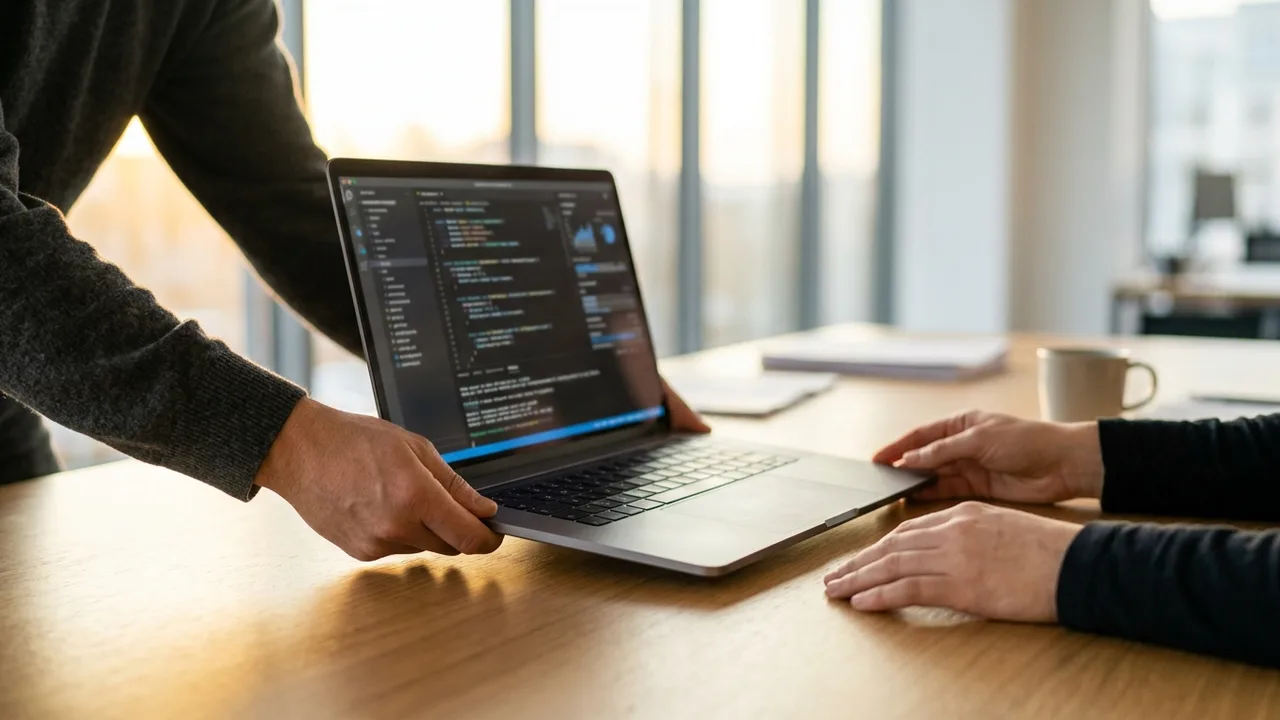
For you as a private user, freelancer, or creative, this means: You will soon gain access to very powerful artificial intelligence. You can use this AI more flexibly. You could run such a model on your own computer. Then you don't have to constantly send data to large companies. This gives you more control over your personal data. It also allows you to adapt the AI precisely to your needs. This is useful for creative projects or personal assistants. Dependence on paid subscriptions or strict rules could decrease.
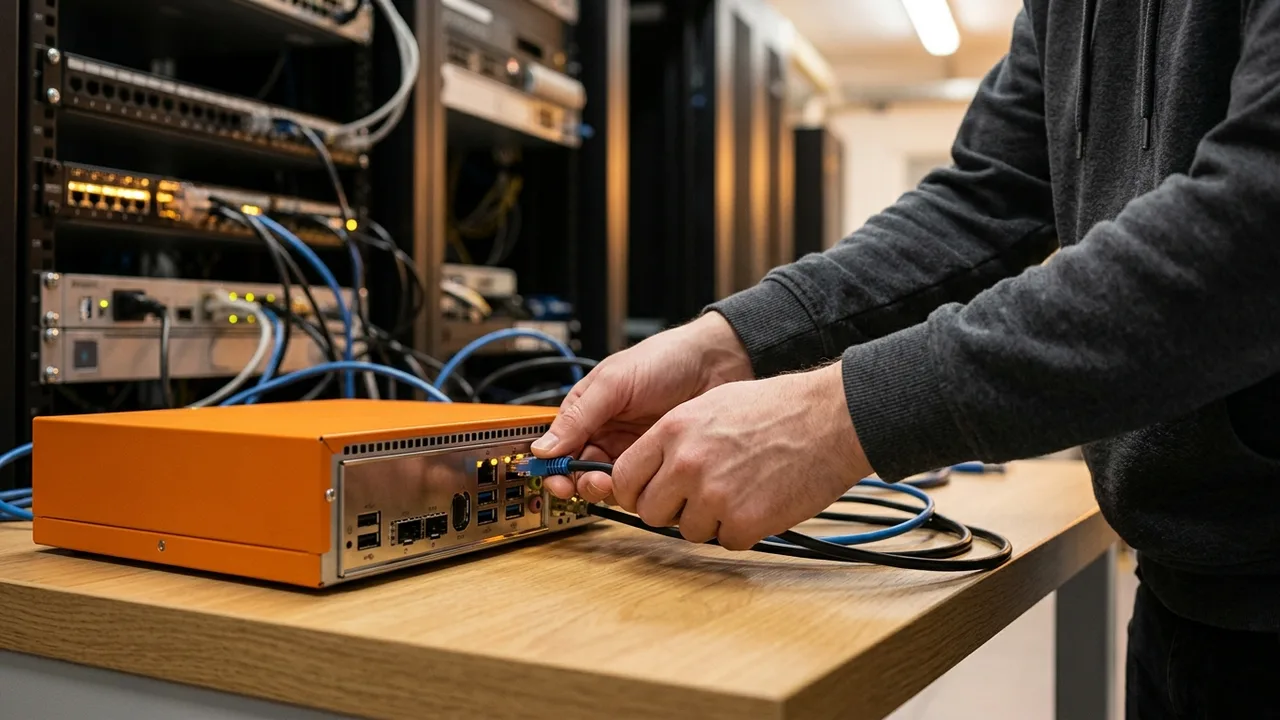
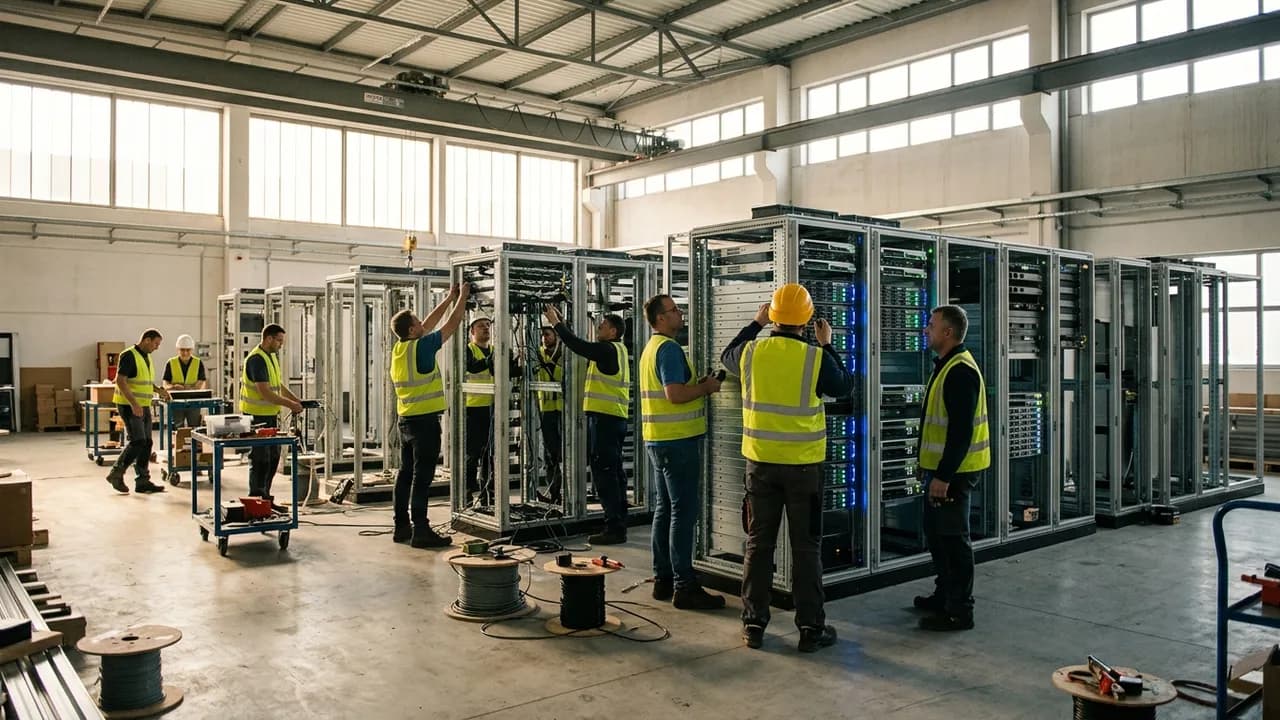
Companies must realign their strategy. Instead of paying expensive licenses for models from OpenAI or Anthropic, they can use open-source alternatives. This reduces costs. It also increases data security, as sensitive company data does not have to be sent to third parties. Companies can operate the models on their own servers. They can review and adapt the code. This creates independence. It also allows for deeper integration into existing processes. This ranges from customer service to the analysis of internal documents.
The biggest opportunity lies in adaptability and openness. Open-source models can be better adapted to specific tasks. This is because the source code is open. Companies can train them with their own data. This way, they develop customized solutions. These solutions provide a real advantage over competitors. The community drives innovation. This often leads to faster updates and new features. For developers, it means they can build new business models. These models revolve around adapting and providing open-source AI.