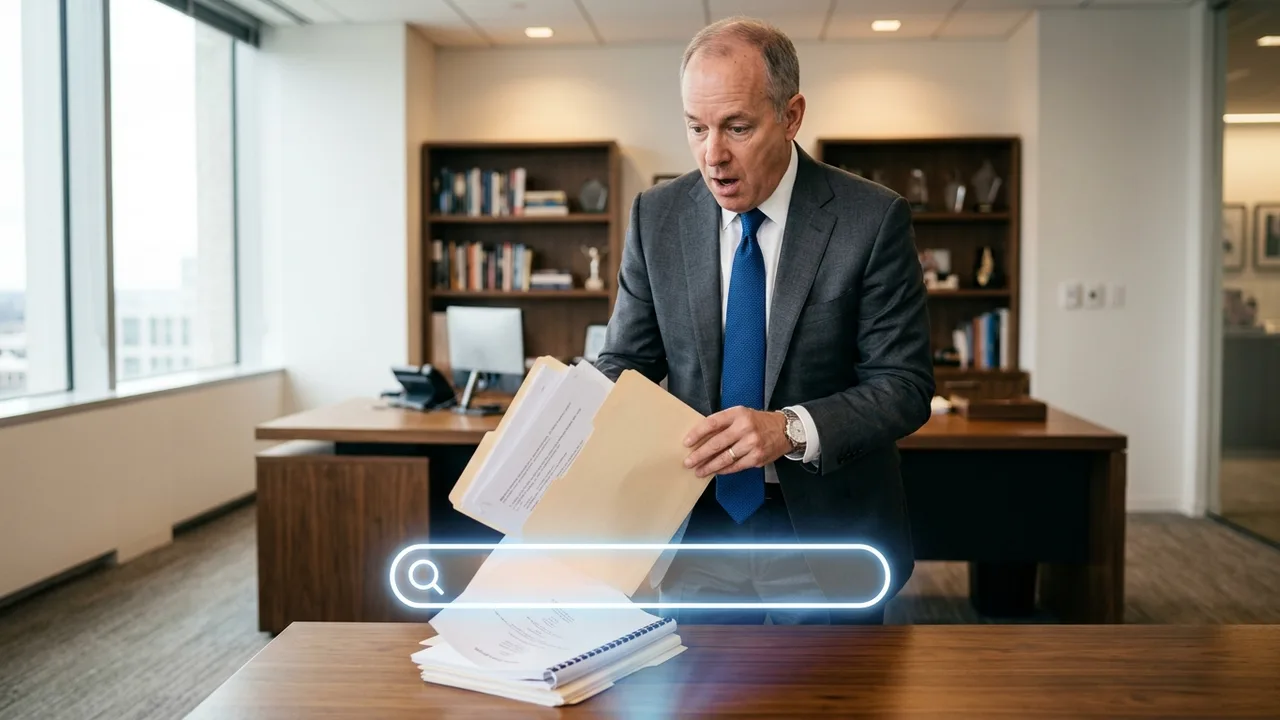
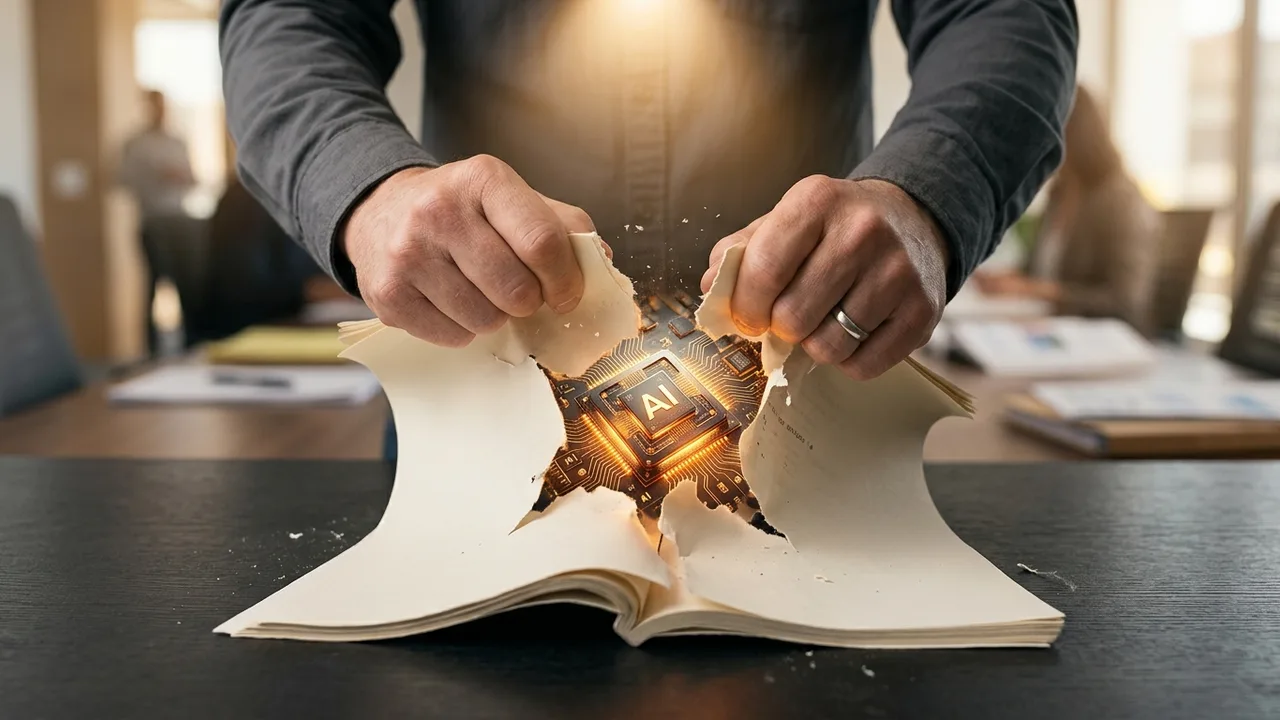
Midjourney, a program that creates images from text, is involved in a major copyright dispute. The company is now demanding important information from major film studios like Disney and Universal. Midjourney wants to know: Do the studios themselves use AI programs for their creative work?
This step by Midjourney is more than just a legal trick. It forces the film industry to confront its own role in the age of Artificial Intelligence (AI). If studios sue others for AI use but secretly use AI themselves, they lose credibility. For all of us, this means: Who sets the rules for AI if the accusers themselves are not transparent? This is about power, money, and the future of creative work.
Film studios like Disney and Universal are suing Midjourney. They claim the AI image generator imitates protected characters like the Minions. In response, Midjourney has demanded in court that the studios reveal their own AI usage. The young company wants to know if and how these companies use AI technologies to create content. This step could influence the entire lawsuit and expose a double standard, meaning different criteria.
For creatives and artists who work with AI programs, this dispute could have major consequences. If studios have to show their AI usage, it could lead to clearer rules. These rules would define what is allowed and what is not. At the same time, uncertainty arises: Which programs can I still use to avoid getting into trouble myself? The verdict could decide whether one can continue to work freely as a 'prompt-tipper,' meaning someone who provides text input for AI. Or whether the legal pitfalls, meaning unexpected problems, become too great.
Companies, especially in the creative and media industries, face a problem. On the one hand, they want to use the efficiency of AI image generators. This helps reduce costs and produce content faster. On the other hand, expensive lawsuits threaten if they accidentally imitate protected content. Midjourney's demand could set a precedent. This means a similar case would be treated the same in the future. Companies would then have to disclose their own AI usage. This would change competition, meaning the struggle for customers. It would also create new risks for data sovereignty, as internal processes would have to be revealed.
The discussion could finally lead to clear rules for the use of AI image generators. This creates legal certainty for all parties involved. This includes freelance artists and large agencies. It is an opportunity to eliminate the gray areas. These unclear areas currently unsettle many artists and companies. If the studios themselves use AI, they could be forced to develop fair licensing models. These models would include all creatives and not just favor the large companies.