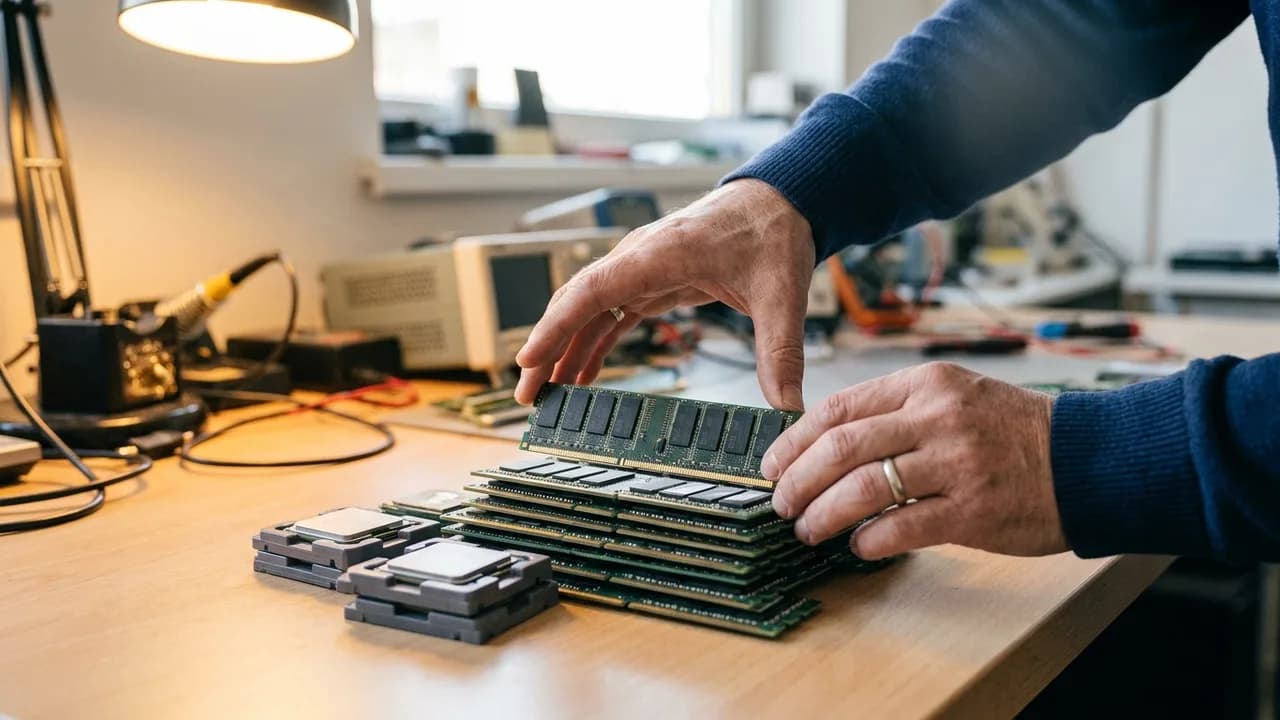
The world needs more and more memory, especially for AI. But precisely where innovation is most urgently needed, things are stalling. Semiconductor manufacturer Micron suggests that the enormous demand for Apple's devices is tying up a large portion of **RAM and SSD chips**.
This situation is a real **hindrance for the entire AI industry**. While everyone is calling for more computing power and memory for increasingly complex AI models and agents, the basic components are scarce. This leads to **higher prices and longer waiting times** – a direct cost driver and innovation inhibitor.
Apple CEO Tim Cook describes the current supply situation for RAM and SSD memory as unprecedentedly difficult. At the same time, chip manufacturer Micron reports that a customer with very high demand for **consumer electronics** is significantly influencing the market. Although Apple is not directly named, the description fits the iPhone and Mac manufacturer exactly.
For you as a user, this specifically means: New, innovative AI services or models could be **slower to become available or cost more**. If companies cannot get enough memory, it delays the development of applications you use in everyday life. Private users who want to upgrade their own computers for local AI experiments also feel the **rising hardware prices**.
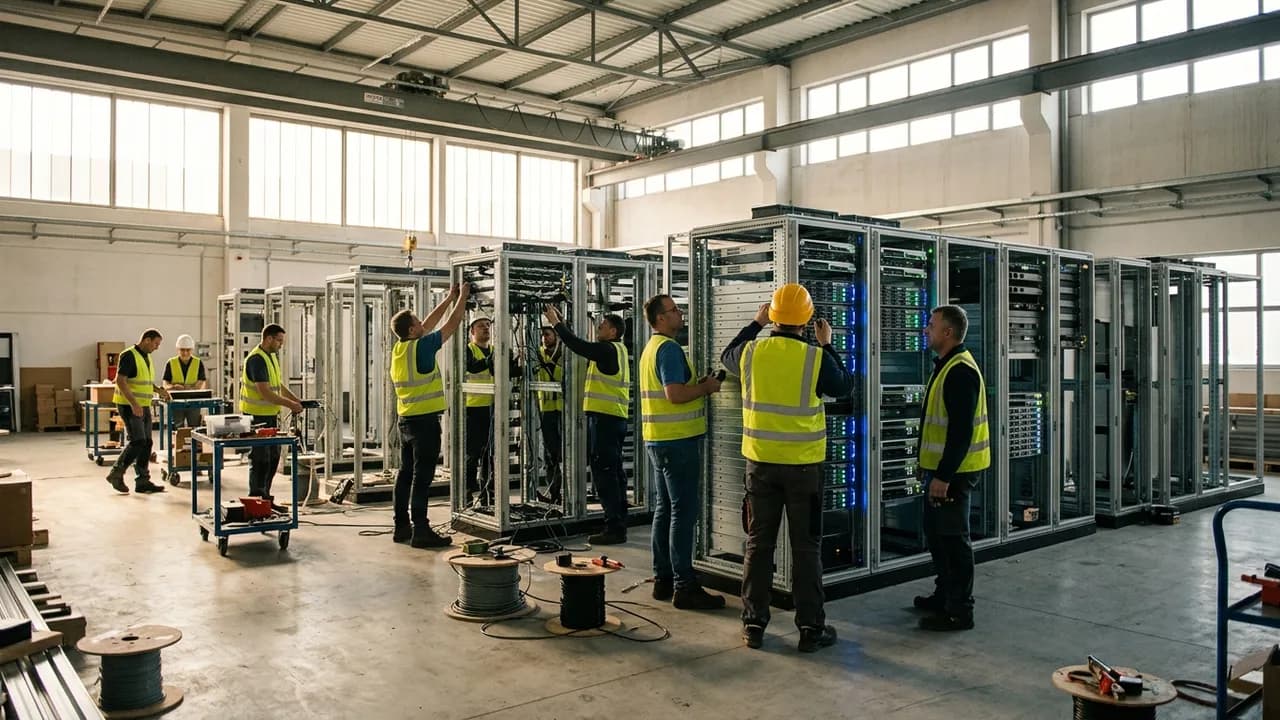
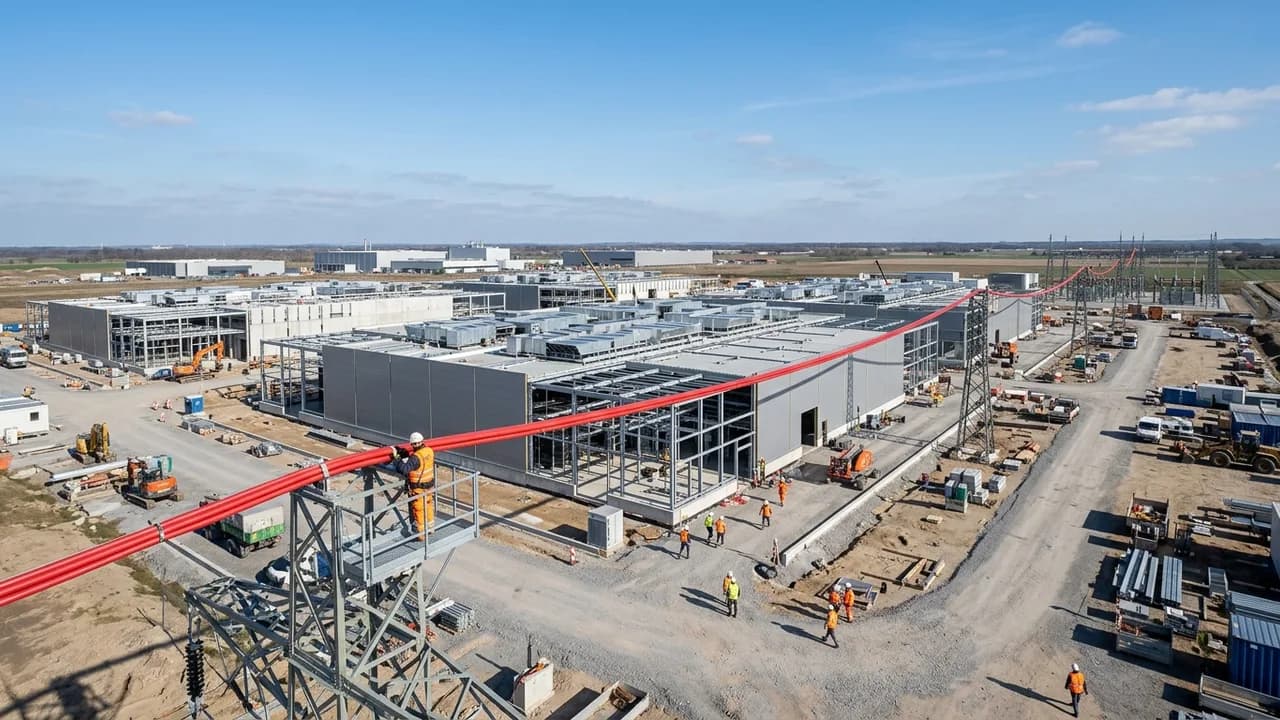
Companies investing in AI face a big problem. Building **data centers** becomes more expensive and takes longer because the necessary RAM and SSD chips are **difficult to obtain**. This particularly harms startups and smaller companies that do not have the purchasing power of tech giants like Apple and thus incur **competitive disadvantages**.
The scarcity could open up new opportunities for **manufacturers of alternative memory solutions** or more efficient chip designs. Companies that are able to make their AI models work with less memory could now gain an **advantage**. There are also new incentives for research in hardware-efficient AI.
The biggest risk is a **slowdown in AI innovation**. If the hardware infrastructure does not grow fast enough, the development of new, more powerful AI models cannot keep pace. This leads to rising **AI development costs** and potentially greater dependence on a few large corporations that can afford the scarce resources.