Nvidia, the most important manufacturer of chips for Artificial Intelligence (AI), is investing heavily in chip production in the USA. This approach aims to strengthen the US economy. It also aims to reduce dependence on chip supplies from other countries. For Europe and other regions, this could mean that important AI chips become more expensive and harder to obtain.
This development is important because it redistributes power in the global AI industry. If the US produces most of the important AI chips itself, it will determine who gets the chips and how much they cost. For countries like Germany or France, which urgently need these chips, this can mean higher costs and supply problems. It's about whether countries can use their own digital technology and whether they can keep up with the development of AI.
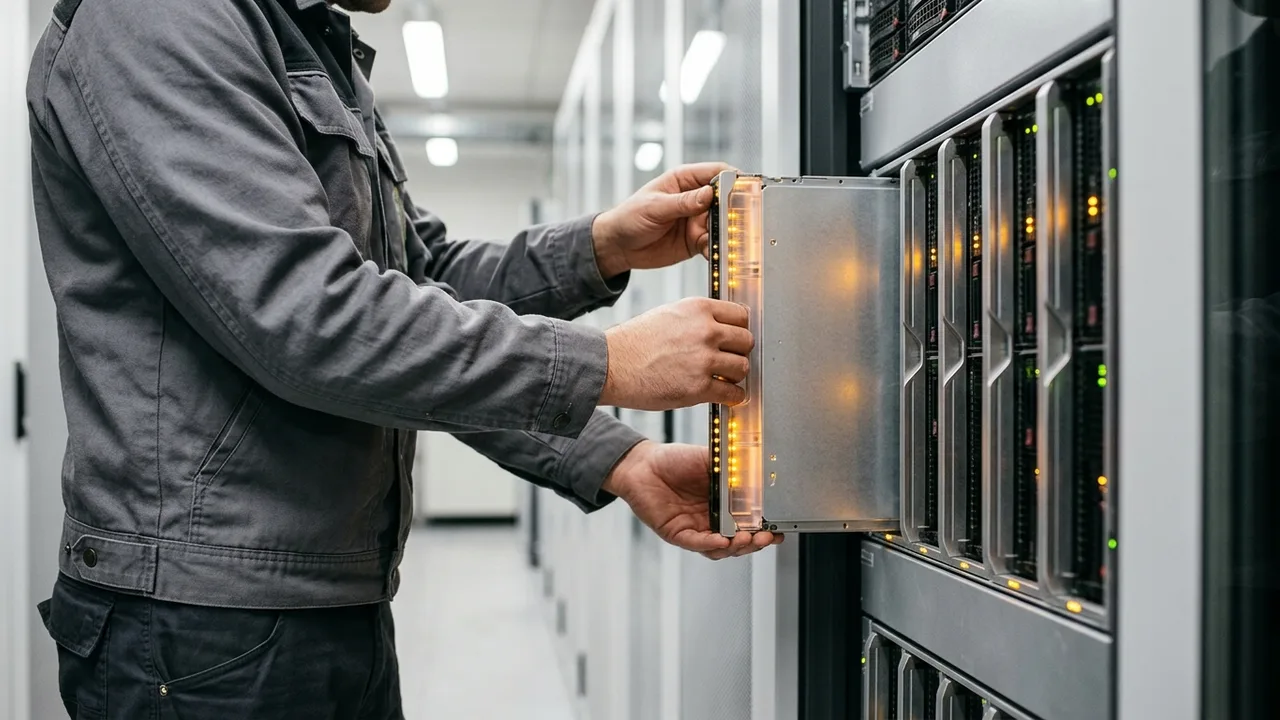
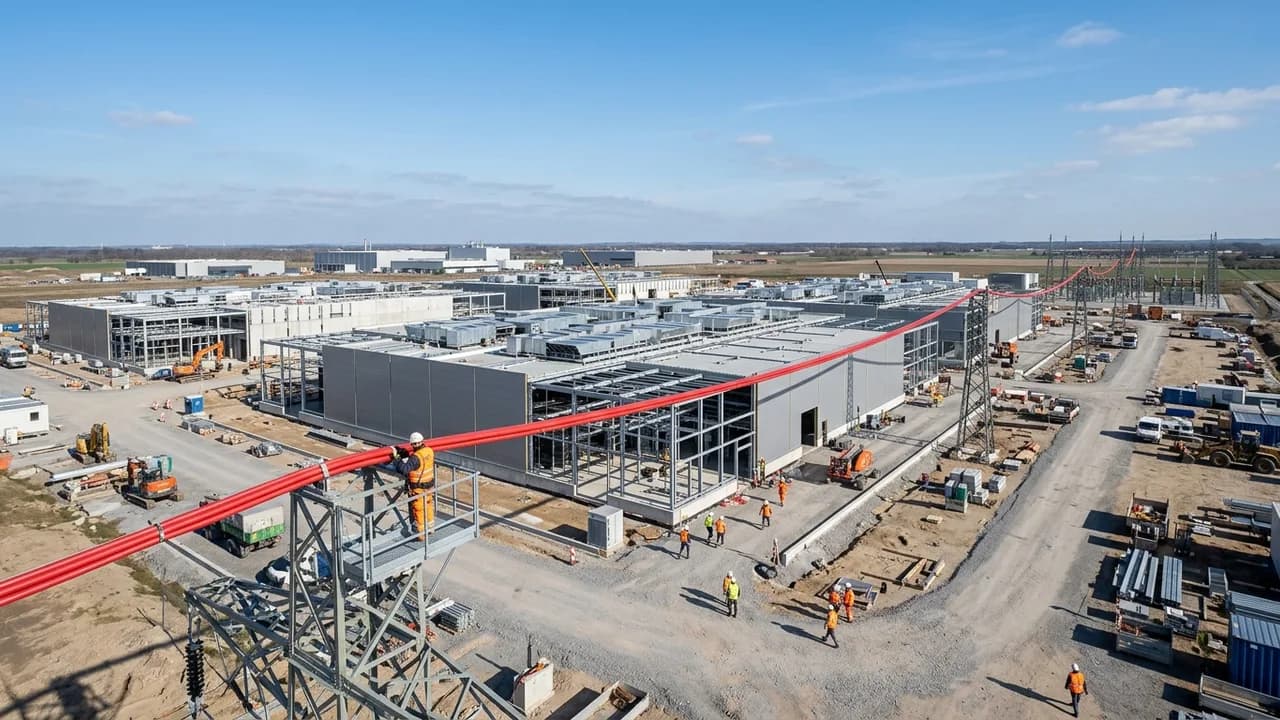
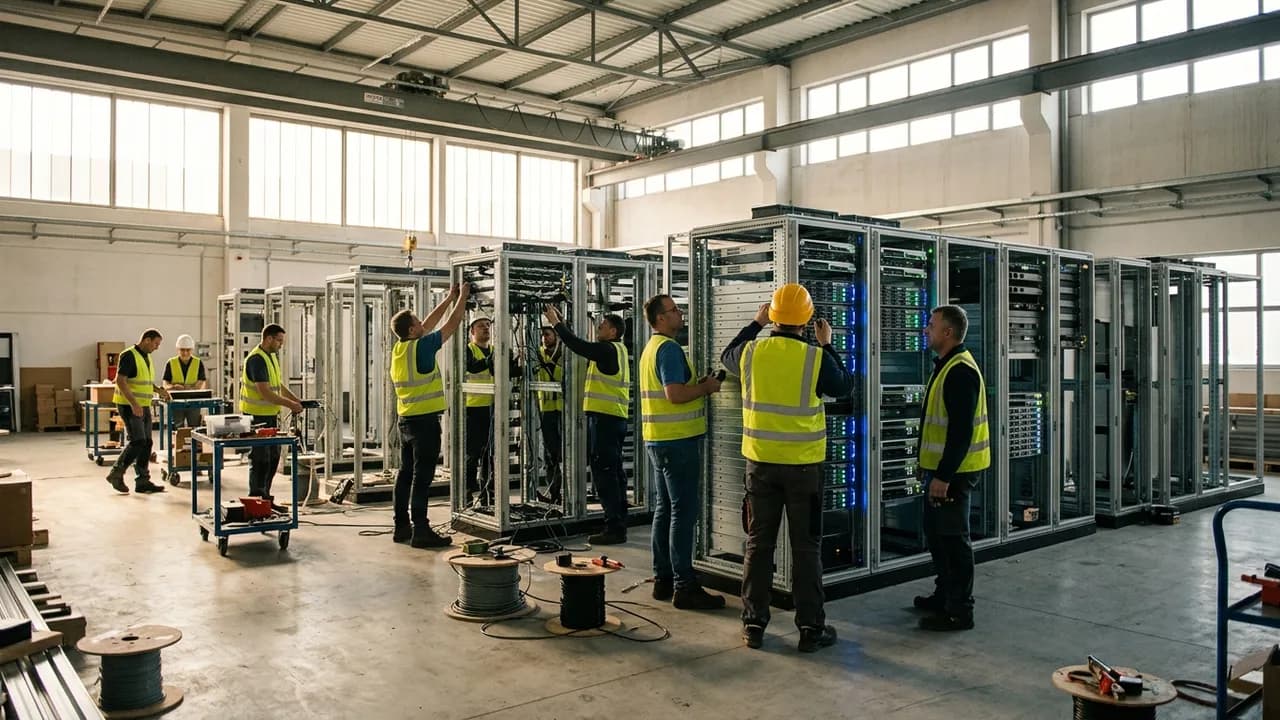
Nvidia announced that, together with partners, it will invest billions in American factories, supply chains, and well-trained workers. The goal is to improve the entire infrastructure for AI chips in the US. This initiative aims to ensure that the US can produce the necessary hardware for areas such as healthcare, research, and industry itself. It is a clear strategy to promote domestic technology.
As a private individual, you won't notice the effects immediately. But indirectly, applications and services that use Artificial Intelligence could become more expensive. This happens if companies offering these services have to pay more for the chips. This affects, for example, smart assistants on your phone or cloud services that use AI. The development of new AI functions could also slow down if it becomes more difficult to obtain computing power.
For companies, especially in Europe, Nvidia's focus on the US means a potential competitive disadvantage. Firms that rely on Nvidia's graphics processing units (GPUs) for their AI strategy could face longer delivery times and higher prices. This applies to startups as well as large corporations. Those who do not now consider other hardware or their own computing capacities could fall into a dependency. It is difficult to escape this dependency.
This change also offers new opportunities: Smaller chip manufacturers could find new market niches. Projects for open hardware, whose blueprints anyone can use, could also become more important. For European states, it is an opportunity to invest in their own chip research and production. This way, they can become more technologically independent. In the long term, this could foster new jobs and new ideas in Europe.