
Microsoft is promoting new Windows PCs as 'AI PCs', but the reality is more complex and confusing for many users. A so-called AI PC is a computer that contains special chips for artificial intelligence to perform tasks like image processing or speech processing faster.
This development is important because it shows how Microsoft is realigning its AI strategy for end customers and businesses. If Copilot is missing from 'AI PCs', it creates a breach of trust. Furthermore, the construction of data centers in France and the delay in Germany illustrate how Europe is struggling to catch up in the global AI infrastructure. Anyone investing in supposed 'AI hardware' now needs to look closely at what they are actually getting.
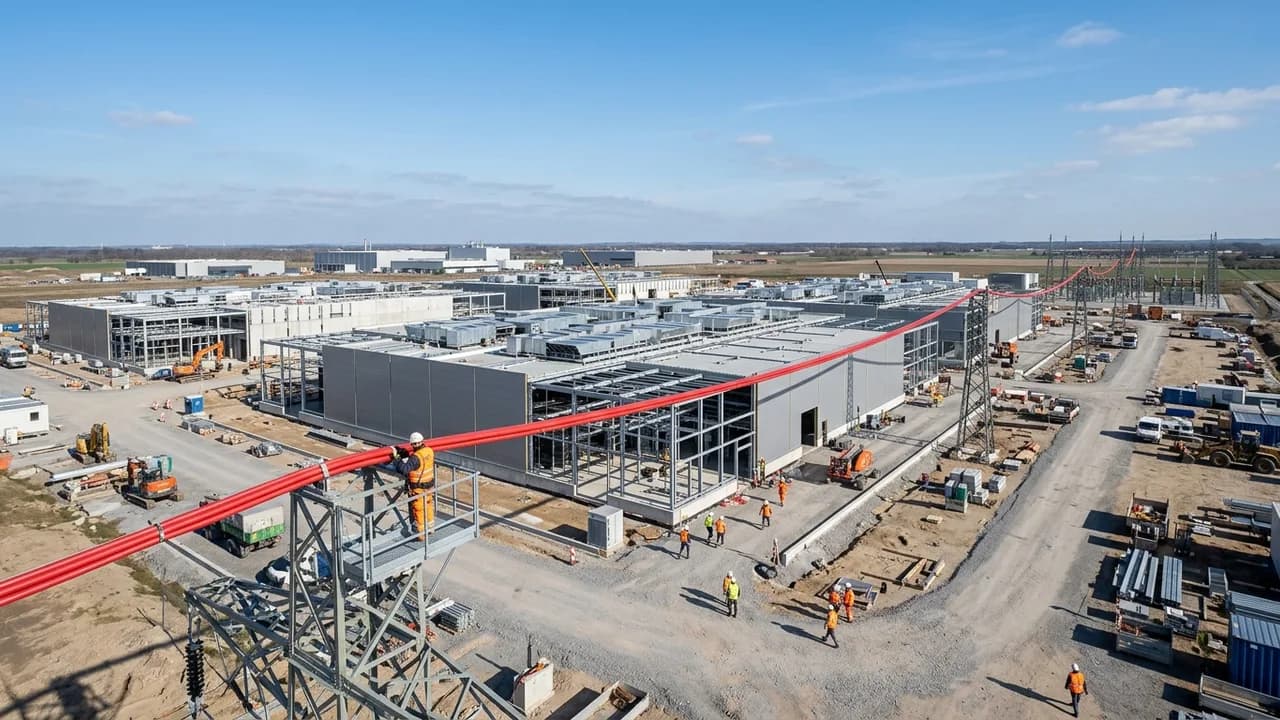
Microsoft is cooperating with Nvidia to equip Windows PCs with special AI chips. Surprisingly, however, the promised Copilot, Microsoft's AI assistant, will not be available on these new devices. At the same time, huge data centers are being built in France, consuming enormous amounts of electricity, while the planned chip factory in Magdeburg continues to be delayed.
For you as a private individual, this means: If you buy a new 'AI PC', you will get the hardware that can accelerate AI tasks. But the advertised, direct AI functions like Copilot are often not immediately usable. This is frustrating because you are paying for a feature you don't get. So, your daily PC experience will not be as 'intelligent' as the marketing promises, for now.
Companies face a difficult decision. They have to make high investments in new 'AI PCs' or data centers. But if core AI applications like Copilot are missing, the Return on Investment (ROI) – the profit from the investment – is questionable. Companies risk spending a lot of money on hardware that does not optimize their processes as expected. Dependence on external data centers in countries like France could also raise long-term costs and security issues.
Despite the challenges, the developments also offer opportunities. The massive expansion of data centers in France could strengthen Europe's digital sovereignty, meaning the ability to manage its own data and AI applications within its own country. For companies, this potentially means more choice and better control over their data. The collaboration between Microsoft and Nvidia is also driving the development of more powerful hardware, which could bring real benefits in the future once the software catches up.