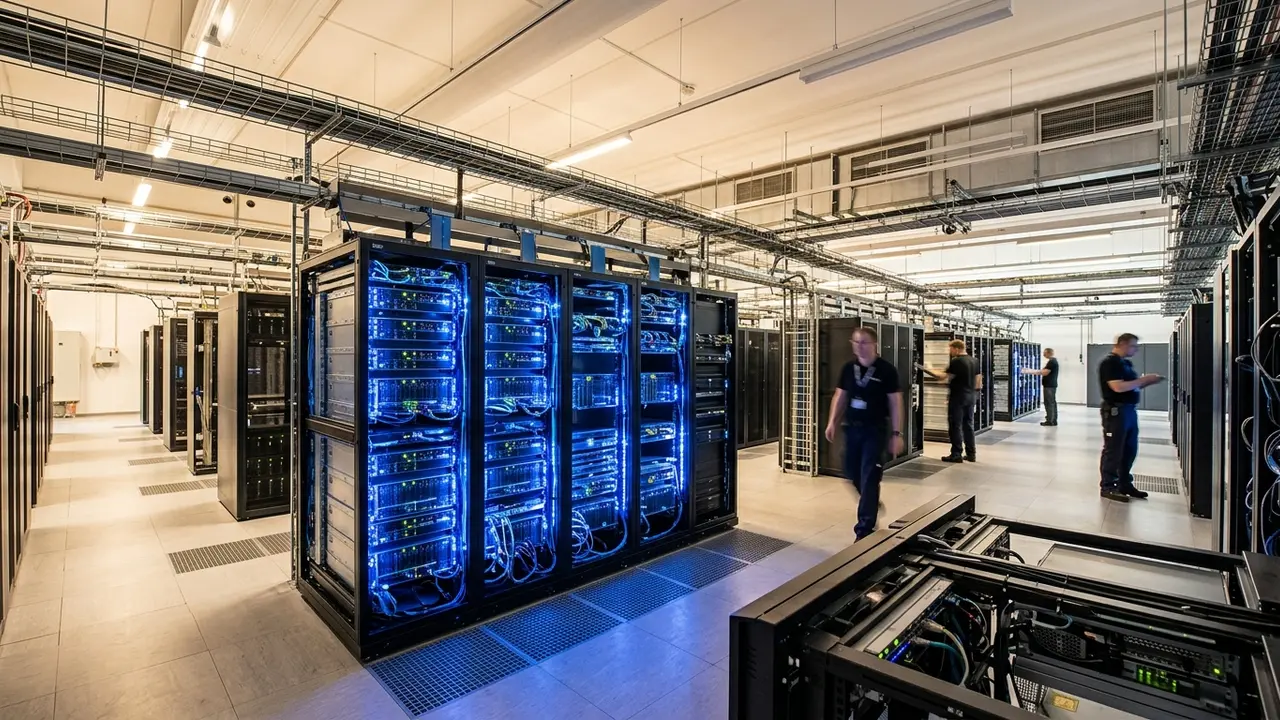
Germany's JUPITER supercomputer is Europe's first exascale machine. An exascale computer is a huge computing machine. It can perform more than a quintillion calculations per second. With this performance, JUPITER changes the global position in AI research and supercomputing.
JUPITER is more than just a technical upgrade. It clearly shows: Europe wants to play at the top of global AI. Computing power is the basic ingredient for every AI breakthrough. Whoever has the best computers can train the best models. They can also solve the biggest problems. For you, this means: Europe can set its own rules. It is less dependent on US technology.
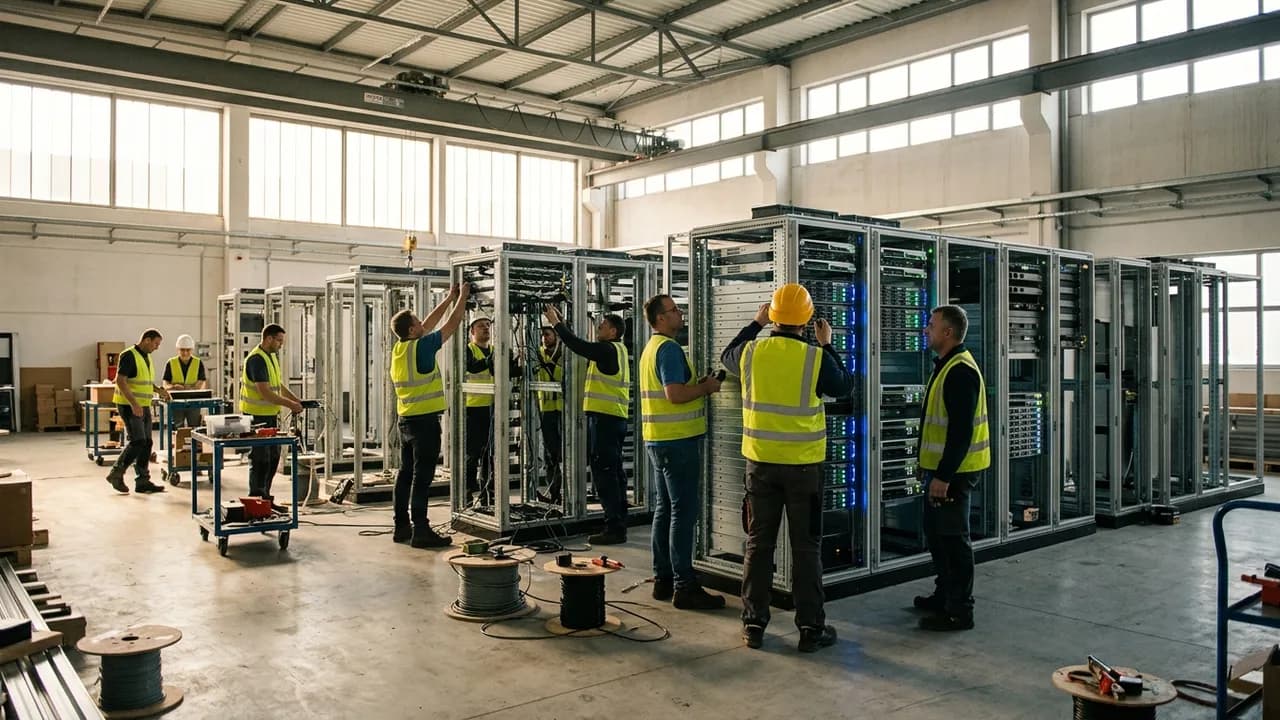
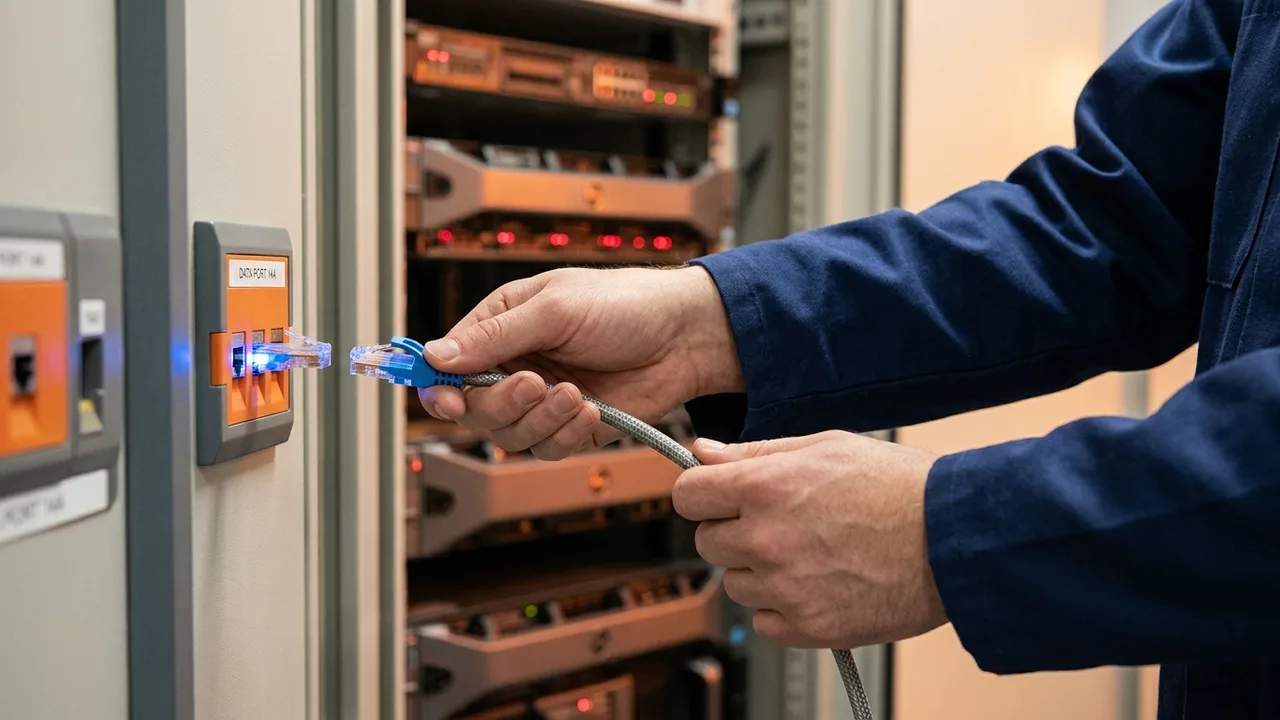
The Forschungszentrum Jülich in Germany has put JUPITER into operation. This supercomputer is the first in Europe to exceed the exascale limit. It uses powerful NVIDIA Grace Hopper Superchips. The NVIDIA Quantum-X800 InfiniBand network is also used. This combination makes JUPITER one of the fastest computing systems worldwide. It also operates very efficiently.
For private individuals, a supercomputer seems far away. But the research on JUPITER can directly influence your everyday life. For example, more precise weather models are created. These help you plan your day better. The development of new medicines also benefits from it. Better materials for your smartphone are also being researched. It's about solving complex problems that affect us all.
For companies, JUPITER means access to enormous computing power. Companies can use it to analyze large amounts of data. They can also perform complex simulations for new products. State-of-the-art AI models can also be developed. This can shorten manufacturing times and reduce costs. Completely new business areas can also emerge. For companies in research, development, and high technology, this is an important competitive advantage.
JUPITER strengthens Europe's position in global research. Scientists can now create more accurate simulations for climate change. They can also design new materials on the computer. For startups and large companies working on complex AI applications, this is a huge resource. They can drive innovation. New products come to market faster. It is an invitation to work at the forefront of technological development.
Operating such a supercomputer is very expensive. It consumes enormous amounts of electricity. This increases costs and the ecological footprint. In addition, there is a dependence on US manufacturers like NVIDIA. These companies supply the chips. This raises questions about Europe's technological independence. Can we really be independent if the most important parts come from abroad? And who ultimately pays for the electricity for this huge computer?