The world of Artificial Intelligence (AI) faces a new problem. It's no longer just about good computer programs, but about the necessary computing power. Google has blocked competitor Meta's access to its powerful Gemini AI models. This decision shows that even large tech companies are fighting over scarce resources.
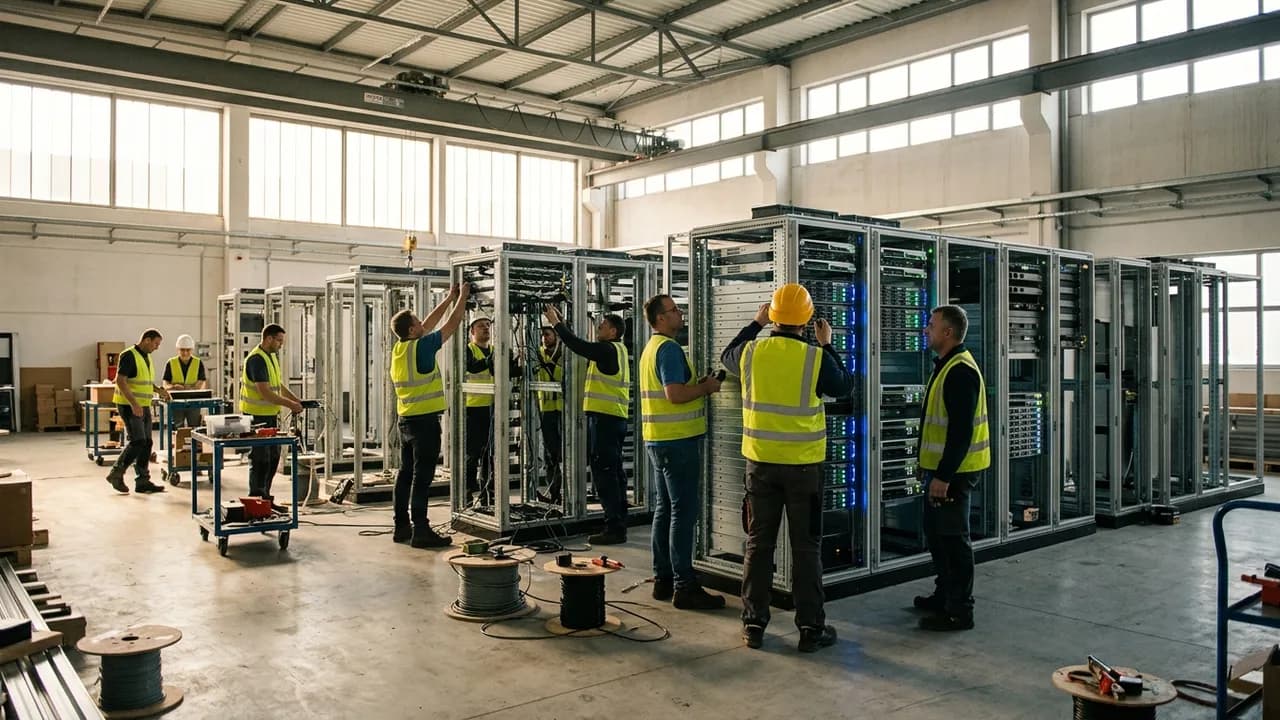
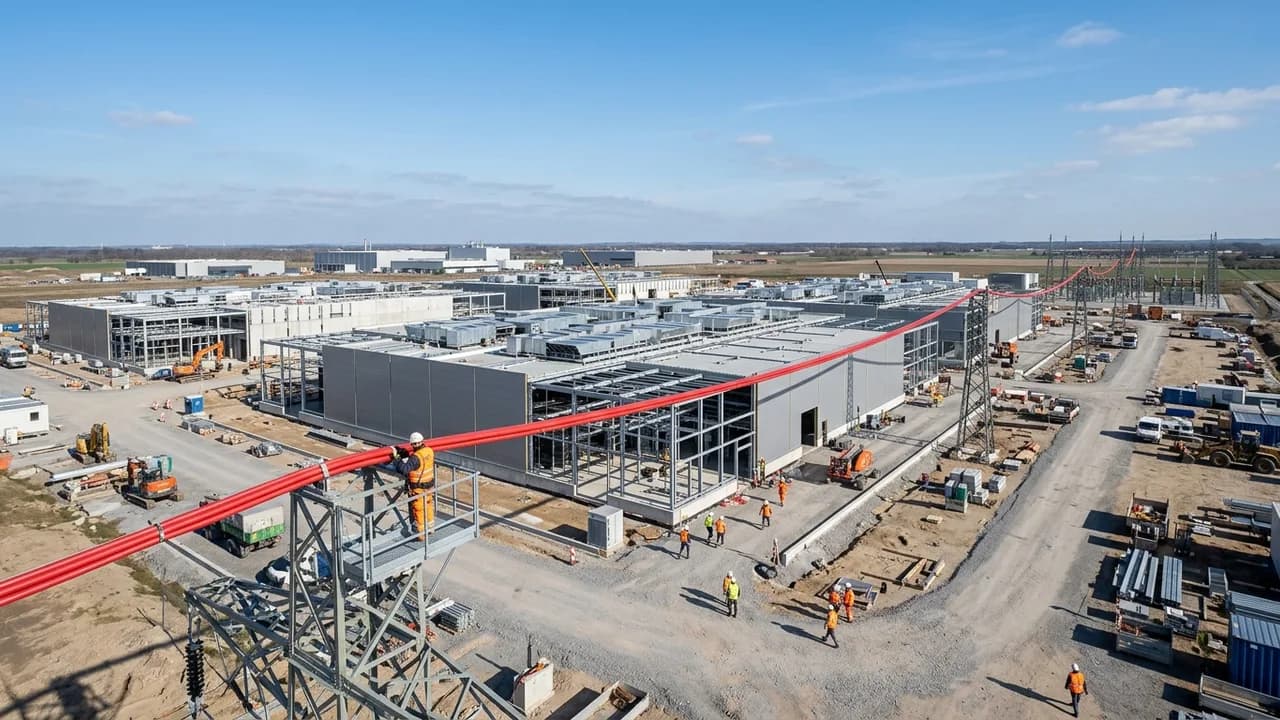
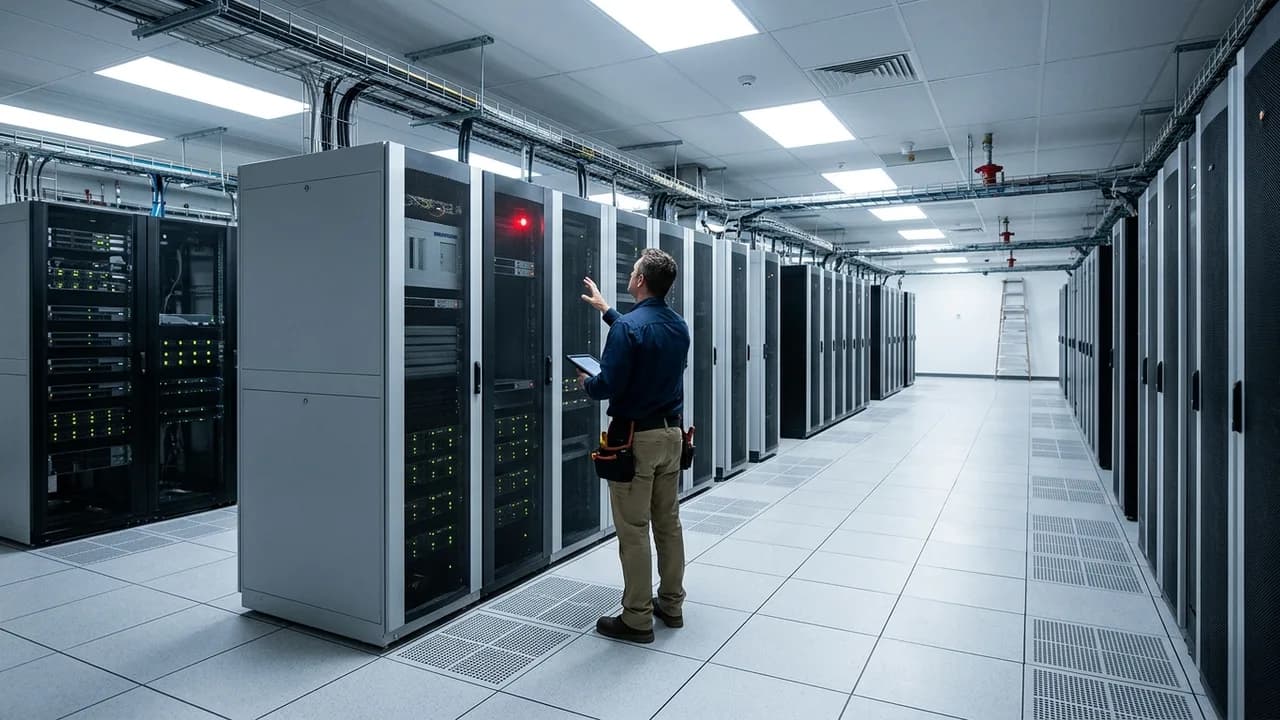
This news is more than just a dispute between two major tech companies. It is a clear sign: there is too little infrastructure for Artificial Intelligence. Anyone who wants to participate in the development of AI in the future either needs massive data centers themselves. Or they need secure access to companies that operate such data centers. This significantly changes power dynamics and forces companies to rethink.
Google has severely restricted Meta's access to its advanced Gemini AI models. The reason is that the demand for computing power for Artificial Intelligence exceeds even Google's large capacities. According to a report by iX Magazin, Meta is particularly affected by this shortage. This situation forces Meta to adjust its own plans. Meta must now increasingly develop its own AI models. The global chip shortage and the construction of new data centers are the main causes of this scarcity.
As an individual or freelancer, you will not immediately feel the consequences of this scarcity. In the long term, new, powerful AI applications could come to market more slowly. Or they could become more expensive. If your favorite app or AI tool uses Google Gemini, performance could suffer. The range of functions could also become smaller. This happens if providers lose their access or have to pay more for it. The development of better AI assistants could thus be delayed.
For companies, the consequences are more direct and serious. Those who rely heavily on external AI services from the cloud, such as Google Gemini, must now expect problems. This can lead to bottlenecks, higher costs, or even blocked access. The risk of being dependent on one provider (vendor lock-in) becomes clear. Companies must rethink their AI strategy. Is it safer to build their own data centers? Or should services be distributed among several providers? This is to prevent being cut off from a single source. This can significantly increase costs and slow down the pace of innovation.
This scarcity also creates new opportunities. Companies that can build their own AI infrastructure could benefit greatly. Companies that offer special solutions for the lack of computing power also have advantages. Companies that make their AI models more efficient to require less computing power will become more attractive. It could also be a strong signal to invest more in open-source AI models. These models run on more types of hardware. They make companies less dependent on individual large providers.