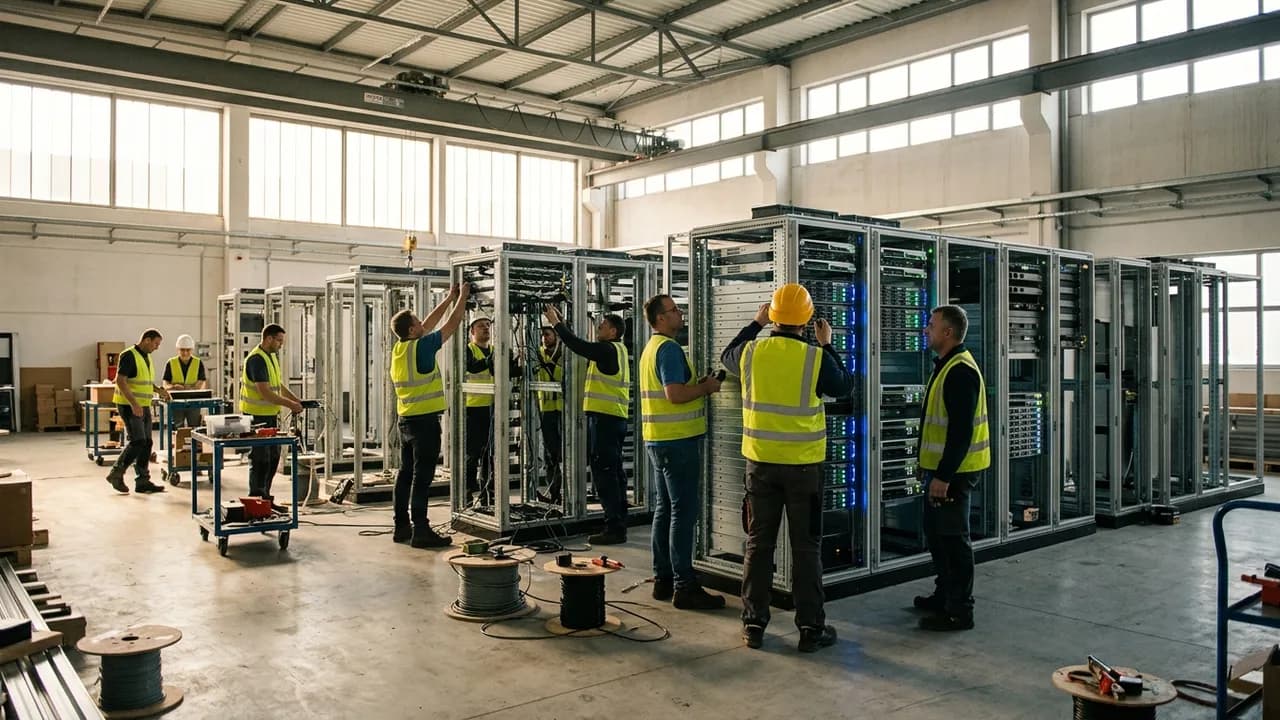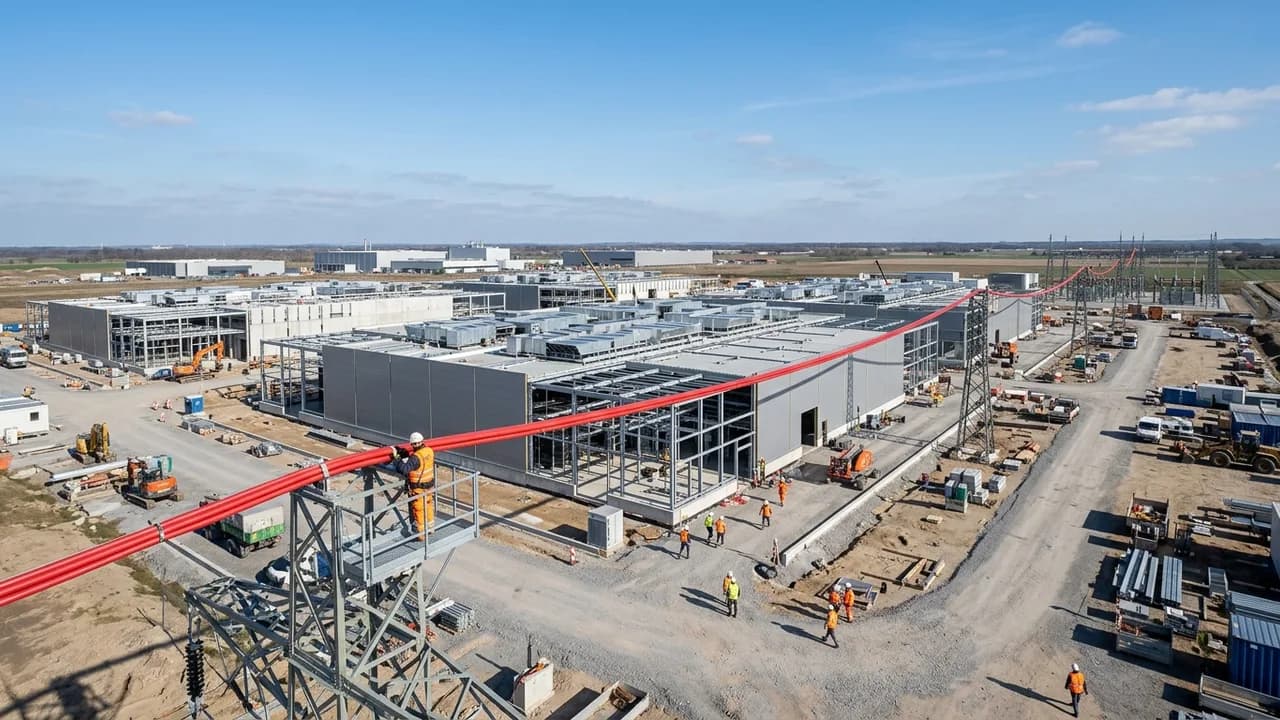
Hollywood star and investor Ashton Kutcher is investing in the foundations of artificial intelligence. He is leaving his previous company, Sound Ventures. Kutcher is launching a new venture capital fund that will invest money in young companies. This fund focuses on infrastructure and energy. These are the things that power AI applications in the first place.
Many people talk about AI programs like ChatGPT, Claude, or Gemini. But Ashton Kutcher knows where the biggest problem lies. It's the huge computers and electricity that these AIs need. His new strategy shows: the physical foundation of AI, meaning the infrastructure, will become very important. Whoever controls these "raw materials" will determine the future of AI.
Ashton Kutcher is known as an actor and for his early tech investments. He is now separating from Sound Ventures. Together with Morgan Beller, he is starting a new venture capital firm. Their focus is not on the large AI models themselves. They are concentrating on the base layer. This includes data centers, computer chips, and the enormous energy supply. Sound Ventures had previously focused on top AI labs. Kutcher's new fund goes a step deeper.
For you as a regular user, this might sound far away. But if infrastructure becomes more expensive, costs will rise. In the long term, this also means higher prices for your AI subscriptions and online services. Every click and every request to an AI consumes computing power and energy. Bottlenecks in this area can affect the speed of your favorite AI tools. The availability of these tools can also suffer.
Companies that rely heavily on artificial intelligence must now pay close attention. The costs for computing power and energy are becoming a decisive factor. Those who do not own their data centers will become dependent on providers. This can lead to a "lock-in." A lock-in means that it is difficult to switch away from a cloud provider. Strategic partnerships in the infrastructure sector will become vital for companies.
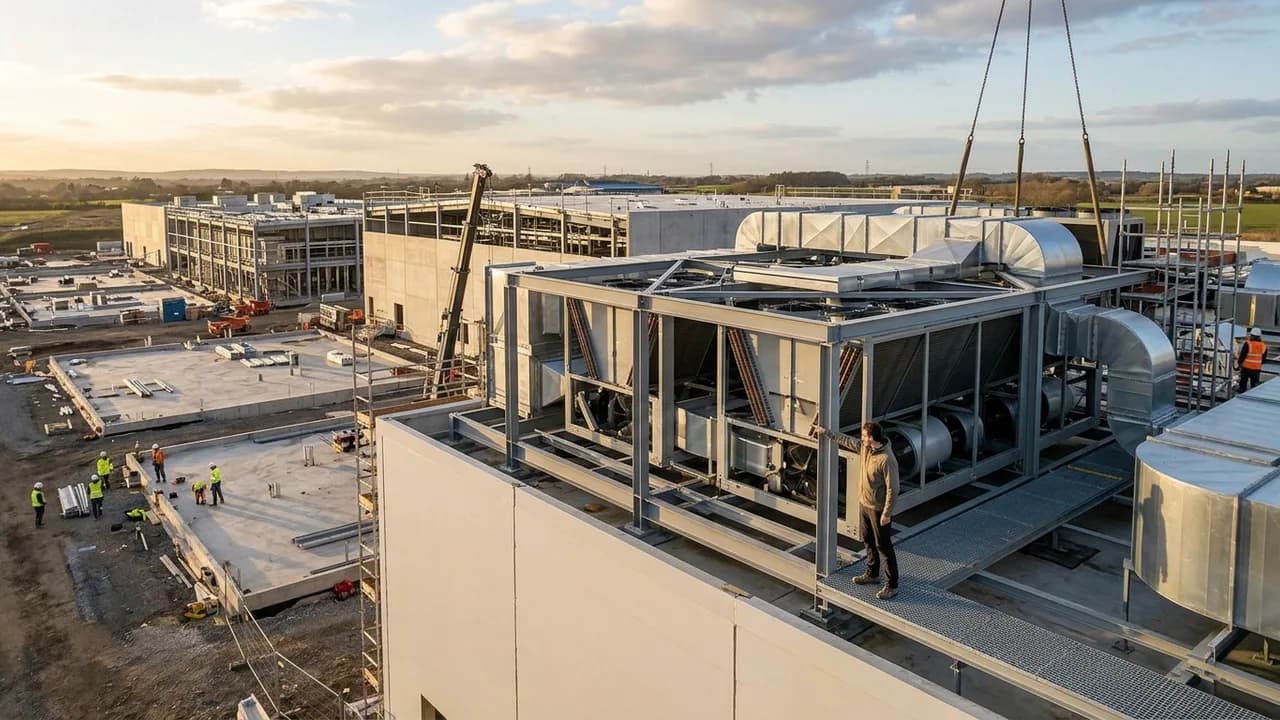
This shift creates great opportunities for certain companies. These include companies that develop energy-efficient data centers. Companies with new chip technologies or innovative cooling systems will also benefit. Startups specializing in the management and optimization of this infrastructure could also be very successful. Whoever solves the problems in the underlying structure will become an important partner for the entire AI industry.