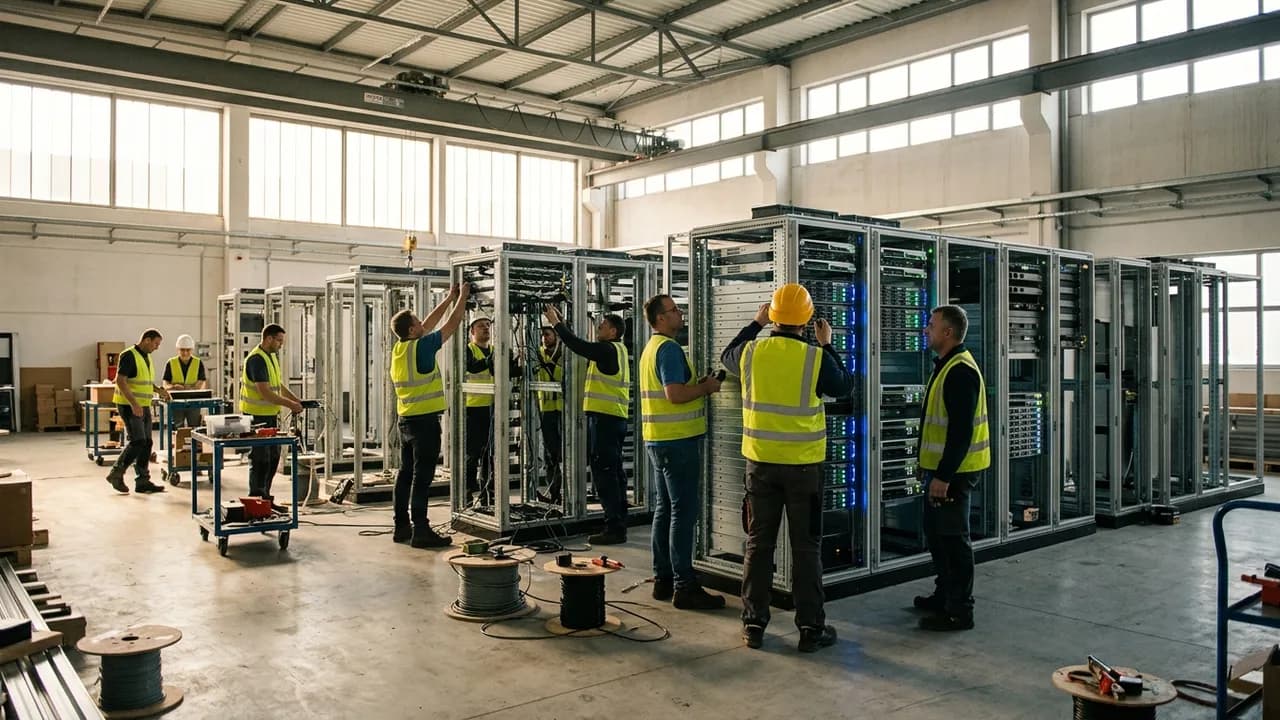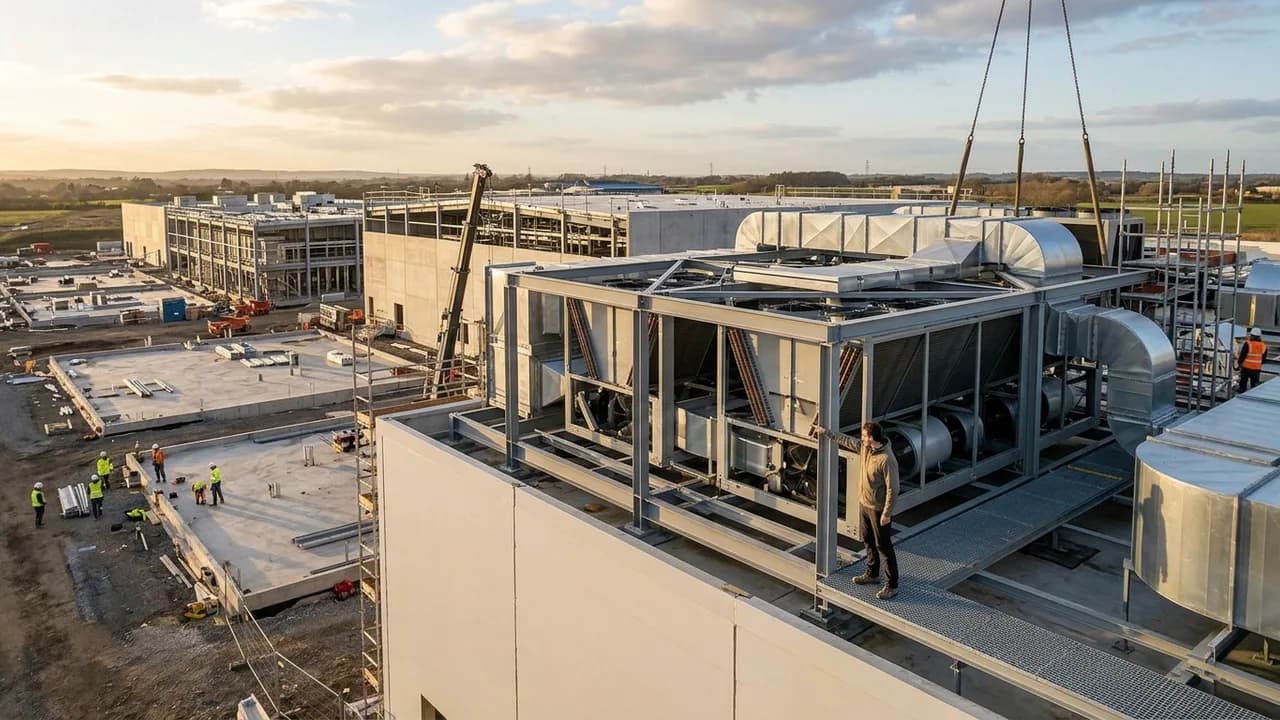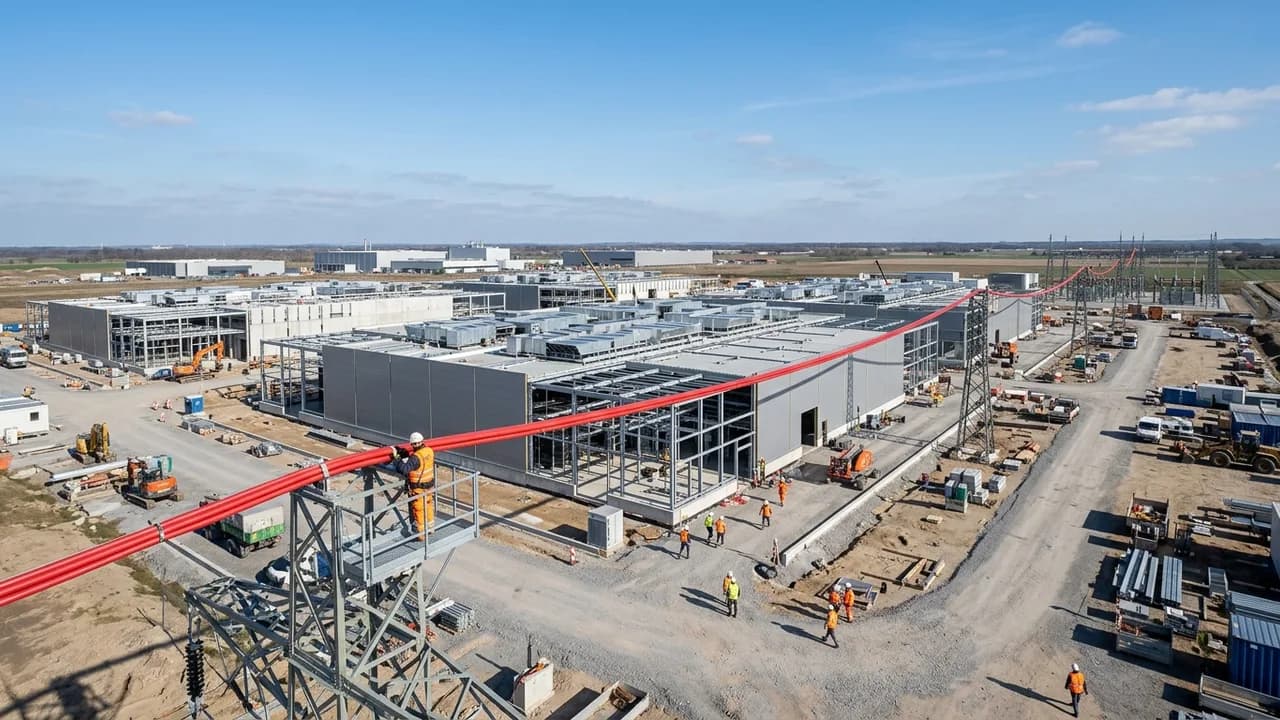
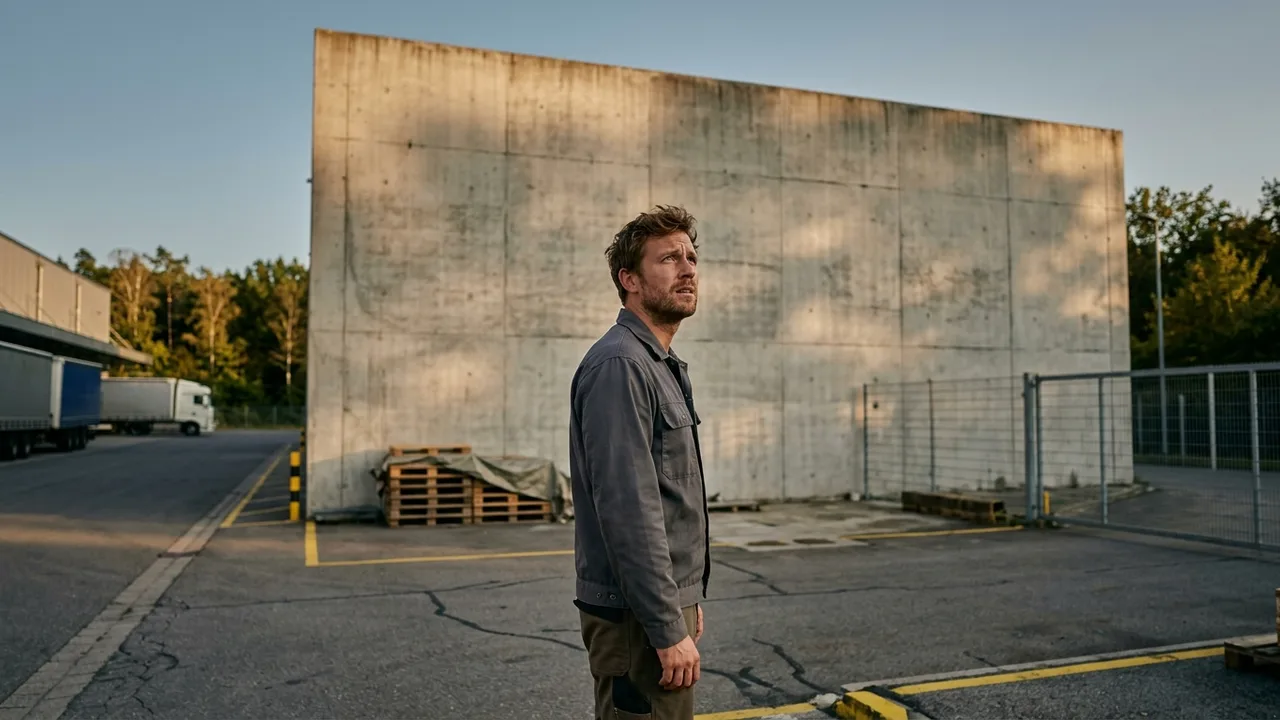
Amazon employees in the US are openly resisting their employer. They are protesting against the construction of new AI data centers. These are large computer halls necessary for Artificial Intelligence (AI). Amazon is reportedly targeting these employees.
This dispute shows how large tech companies react to criticism from their own people. It's about expanding their AI power, meaning how strong they become in artificial intelligence. For employees or freelancers, this is a clear sign. Freedom of speech at work can quickly be restricted. This is especially true for important company goals. The case also shows the growing tension. It's about the high demand for computing power for AI and concerns about the environment.
Several Amazon employees have publicly spoken out against the construction of more data centers in the US. They criticize the high electricity consumption. They also complain about the environmental impact of this AI infrastructure, meaning the necessary computer systems. Amazon has since launched internal investigations against these employees, as reported by t3n. The affected employees are resisting. They see this as a restriction of their freedom of speech, their right to express their opinion.
As a private individual, the expansion of AI data centers may seem distant. But it affects us all. The increasing electricity consumption of these facilities harms the environment. It can also lead to higher electricity prices in the long term. If employees who experience these developments firsthand are silenced, we lose important insights. We then learn less about the ethical and ecological consequences of the AI revolution. It's about who controls the future of our infrastructure. Infrastructure here refers to the basic facilities and systems.
For companies that use cloud services from providers like Amazon, this case presents a reputational risk. This means the company's reputation can suffer. If Amazon is perceived as an employer that suppresses critical voices, it could attract fewer talents in the long run. Companies that build or use AI infrastructure themselves must pay attention to the growing public sensitivity. This concerns electricity consumption and environmental impacts. This could mean stricter rules or higher costs in the future.
The protests could lead to tech companies having to report more openly about the electricity consumption of their AI data centers. This creates an opportunity for companies that develop more sustainable solutions. More energy-efficient AI architectures, meaning more economical designs for AI systems, are also in demand. For employees who advocate for environmental protection, this can be an opportunity. They can network and collectively advocate for change.