
A spin-off from Meta's former AI chief Yann LeCun has raised almost **$900 million** to build a new type of Artificial Intelligence. These so-called world models are intended to teach AIs not just to superficially process our reality, but to truly understand it, much like a child learns about the world. This is a big difference from the chatbots we know today.
This is important because conventional language models like ChatGPT often invent things or misunderstand them due to a lack of real-world knowledge. World models aim to change exactly that. They could **make AIs significantly more reliable and safer** by giving them a deep, physical understanding of reality. This is a real leap that could massively reduce hallucinations and drive the development of AIs that can solve complex problems independently.
The startup, which emerged from Yann LeCun's research at Meta, has closed a massive funding round of **$890 million**. With this, it aims to develop so-called world models. These models are intended to learn to make predictions about the physical world and not just focus on processing language. They are conceived as fundamental building blocks for the next generation of autonomous AI agents that can act independently.
For you as a user, this long-term means **AI systems that make fewer mistakes** and are more intuitive. Imagine your personal AI assistant not only understands your words but also the physics of your home. It could control devices more reliably or give you realistic recommendations. This minimizes frustration from incorrect answers and offers a much more natural interaction.
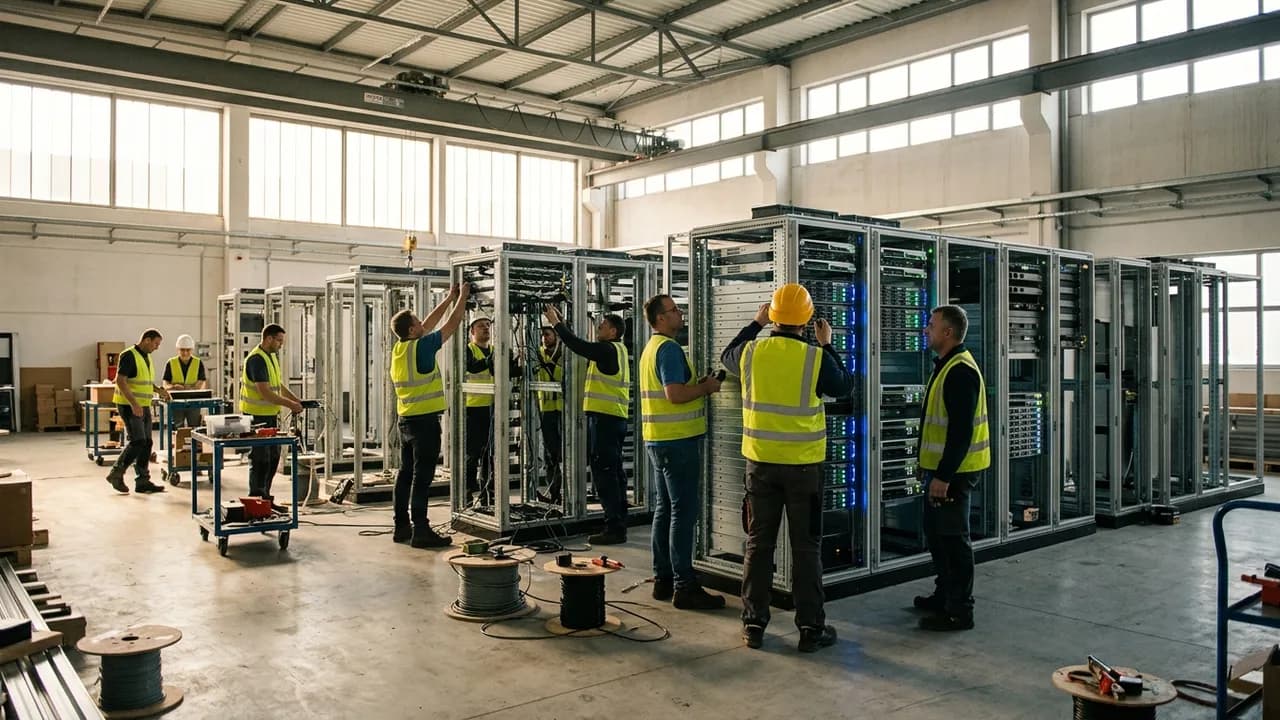
Companies could benefit from **more reliable and autonomous AI agents**. These agents could monitor complex manufacturing processes, optimize logistics, or operate in robotics without constant human correction. This saves enormous costs and increases efficiency. The improved predictive capability of these models reduces downtime and optimizes resources, creating a clear competitive advantage.
The biggest opportunity lies in the development of **AI agents that can truly plan and act**. Not just in the digital space, but also in the physical world, for example, with robots or autonomous vehicles. World models are the key to this. They enable new applications in areas where a lack of AI's world knowledge previously set limits, such as in medical diagnostics or materials science.