OpenAI's latest AI model GPT-5 has solved a mystery in immunology. This mystery has puzzled researchers for three years. GPT-5 is like a digital brain. It can analyze a vast amount of data. The model recognizes complex relationships. These often remain hidden from human researchers.
This case is more than just a cool trick. It's a wake-up call for science. It shows that Artificial Intelligence (AI) doesn't just help. AI can also make important discoveries. GPT-5 solves difficult research problems quickly. This changes the role of researchers. They become more like planners of discovery journeys with AI. Anyone who doesn't understand the importance of such models now will fall behind in medicine.
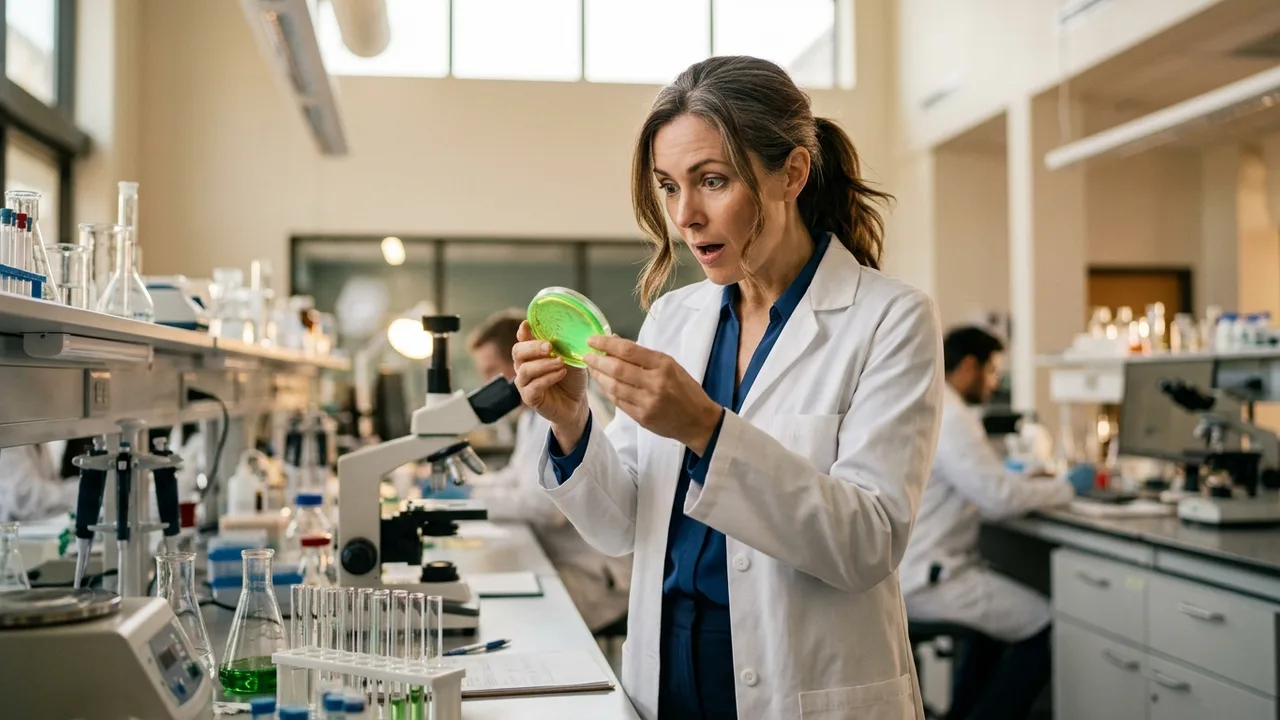
Immunologist Derya Unutmaz had a three-year mystery. It was about the behavior of T-cells. He used GPT-5 Pro. He fed the AI a lot of data and studies. The model found new insights. These led to the solution of the problem. It showed patterns and connections that no one had seen before. These new insights can greatly change our knowledge of autoimmune diseases and cancer.
For us as users, this means an opportunity in the long term. We get better medicines and treatments. Research progresses faster thanks to AI. Diseases like cancer or autoimmune diseases could be better treated. You personally won't get direct GPT-5 access. But the research results will greatly improve medicine. Your life will become healthier as a result.
For companies in the pharmaceutical and biotech industry, this is a big advantage. Those who use such AI models early save a lot of time. Research and development times become shorter. This saves billions of euros. It's about finding new active ingredients faster. These should then come to market faster. Research institutions and corporations must now invest heavily in AI knowledge. Otherwise, they will be overtaken by the competition.
The biggest opportunity lies in accelerating basic research. AI can analyze millions of data points. This includes genomes and clinical studies. It can do this in minutes. Humans would need years for this. Researchers can test hypotheses much faster. They also find new, unexpected connections. It's like a super intern. This intern not only makes suggestions. They independently carry out complex analyses and provide answers.