The European Union has enacted new tariff rules. These rules make importing products from China more expensive. This particularly affects online shops like Temu and Shein. Prices for many tech products and AI devices are also rising. Those who previously bought cheap offers from Asia must expect higher costs.
These tariffs are a clear signal from the EU. It wants to protect the European market. The EU also wants to stop unfair competition. For you as a buyer, this means: A cheap AI product from the Chinese marketplace will soon be more expensive. It's not just about clothing. It also affects small AI devices and electronics. Many use these for experiments or in everyday life.
From now on, buyers in the EU will pay higher tariffs for certain products from China. These new European Union rules particularly affect Chinese online shops. These include Temu and Shein. Previously, these platforms could often offer very low prices. They cleverly bypassed customs borders. That is now changing. This directly impacts the costs of imported goods.
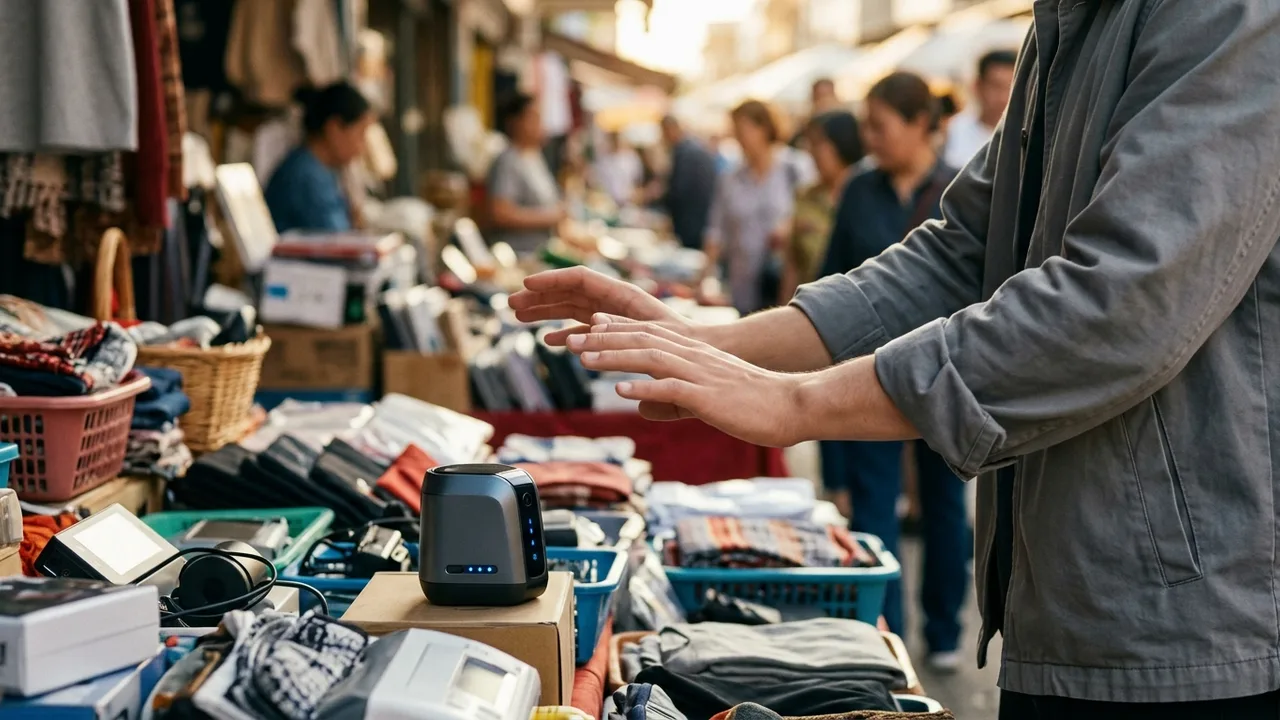
For private individuals, this specifically means: Your next smart device will be more expensive. The cheap AI camera or smart assistant from Temu or Shein will also cost more. You either have to spend more money. Or you switch to European products. These are often more expensive from the outset. Delivery times could also become longer. Customs clearance will be more complex.
Companies that need cheap products from China face new problems. They use these products to manufacture or sell their own goods. Small and medium-sized enterprises (SMEs) in particular cannot easily absorb the higher costs. They must review their supply chains. They may pass on higher prices to their customers. This way, they remain competitive. This also affects the market for special AI components and developer boards.
The new tariffs could be an opportunity for European manufacturers. If Chinese products become more expensive, domestic suppliers can compete better. This could encourage investments in local production. AI research in Europe could also benefit. For startups that rely on fair competition, new market opportunities could arise.
The biggest risk is that the new tariffs will reduce consumer purchasing power. This means people can afford less. The tariffs could also further fuel inflation. Cheap AI devices, which make it easier for many to get started with the technology, will become less accessible. In addition, Chinese suppliers could find ways to circumvent the tariffs. This would weaken the effect of the measure again. The risk of trade conflicts also increases.