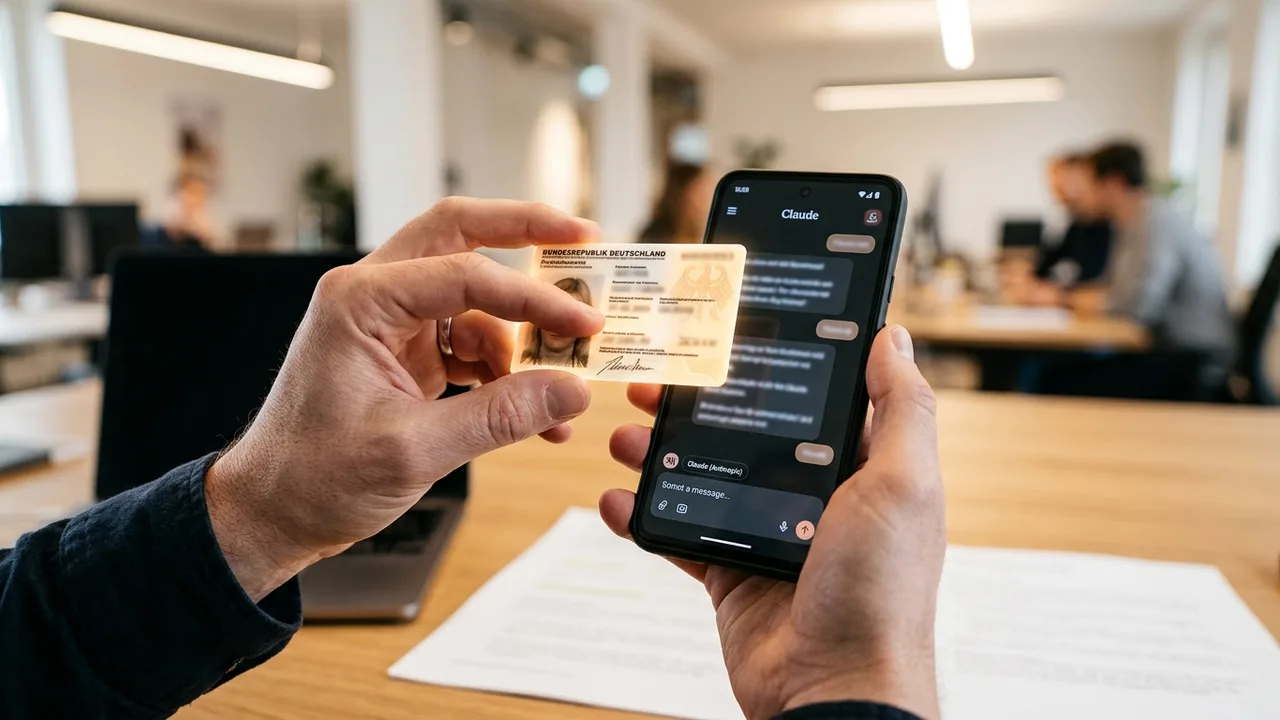
Anthropic, the company behind the computer program Claude, now requires ID from some users. Claude is a computer program that understands and writes texts itself. Anyone who wants to use Claude must identify themselves. This step changes how computer programs can be used anonymously. It also triggers a discussion about data protection and control.
This ID requirement is more than just a technical change. It is a clear intrusion into user anonymity. Anonymity means not being recognized. This is important because it shows: companies that offer computer programs increasingly want to know who uses them. They want to prevent misuse. This can change how we use computer programs in everyday life. It also affects whether we feel secure that our data is protected.
In mid-June 2026, Anthropic announced that some Claude users must confirm their identity with an ID. This does not affect everyone, but a specific group of users. Anthropic says the measure is intended to serve security. It has nothing to do with the earlier problems of the 'Mythos 5' or 'Fable 5' models. However, one detail is causing unrest on the internet. The criteria for which users are affected remain unclear.
For you as a private user, this could mean: You have to give up your anonymity if you use Claude or similar computer programs. Anonymity means that no one knows who you are. If you use Claude for creative projects or to write texts, you may have to identify yourself with an ID. This is a hurdle. It raises the question of how much personal data you are willing to disclose for access to computer programs. It's like an ID check at the airport before you're even allowed to fly.
Companies that use Claude in their operations face new challenges. They must comply with rules called 'compliance'. Especially companies that process sensitive data or value strict anonymity must review their workflows. If employees have to identify themselves to use computer programs, new internal rules arise. Monitoring obligations can also arise. This can lead to a 'lock-in'. A lock-in means it becomes difficult to switch to other providers. The costs of switching then increase.
The ID requirement could strengthen trust in computer programs in the long term. If it is clear who uses a program, new areas of application could emerge. This is especially true where high security and traceability are important. Examples include the financial industry or the development of products with strict rules. It creates a framework for the responsible use of computer programs. This could increase acceptance by authorities.